
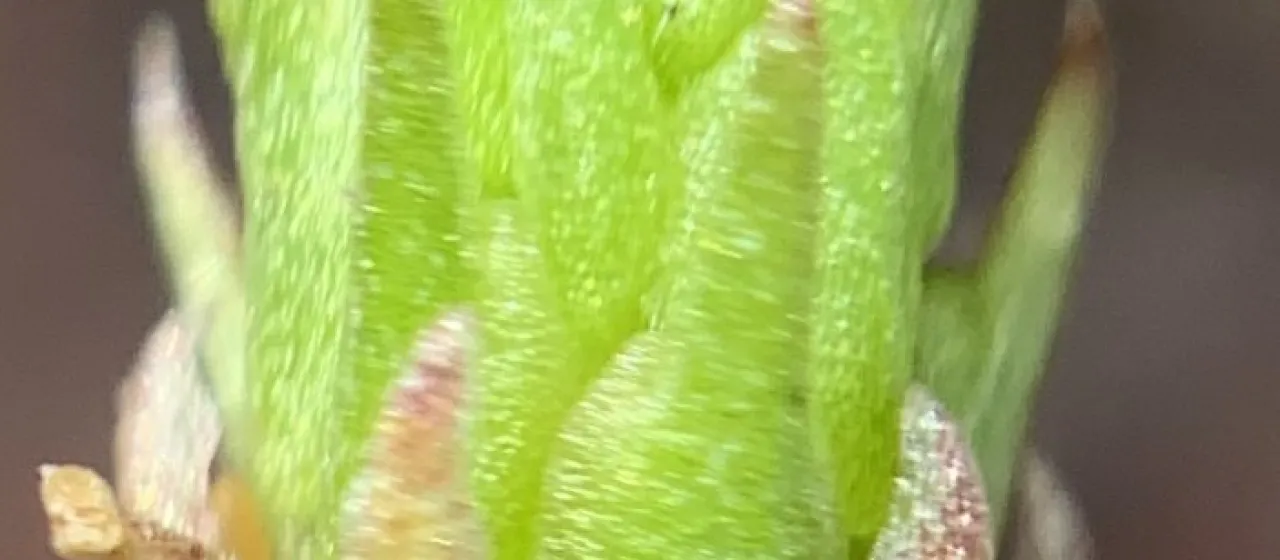
Description
Bristlemouse (Myosurus apetalus) is a small herbaceous annual plant belonging to the Ranunculaceae family. It is distinct for its specialized reproductive morphology and its life cycle, which is typically adapted to short, favorable conditions in early spring. This plant is taxonomically placed within the buttercup family, showing specific evolutionary adaptations.
The species primarily originates from North America, where it occupies diverse habitats, including meadows, moist areas, and disturbed agricultural land. While not an agricultural crop in the traditional sense, it is often documented as a weed in fields with poor drainage, where it can quickly establish itself during the cool, wet months of the growing season.
Botanically, the plant is characterized by a basal rosette of narrow leaves and a remarkably elongated receptacle that holds numerous seeds. The common name, as well as the scientific epithet, refers to the petal-less nature of the flowers, which reduces the plant's visual profile but allows it to efficiently utilize resources for seed production.
Regarding cultivation requirements, Myosurus apetalus thrives in heavy, moist soils and tends to appear in regions where the soil structure is prone to waterlogging. In terms of agronomy, the presence of this species is an indicator of soil moisture issues. Its growth cycle is usually brief, ending before the onset of extreme summer heat or drought conditions.
From a management perspective, there is no economic or commercial use for this plant. Farmers typically view it as an unwanted presence in agricultural landscapes. Control measures are generally focused on standard cultural practices, such as optimizing soil drainage, proper tillage, and using integrated pest management strategies to limit its proliferation within major crop stands.