
Description
Mousetail (scientific name Myosurus sessilis) is a small, annual herbaceous plant belonging to the Ranunculaceae family. While not a conventional agricultural crop, it is a significant species in botanical studies due to its unique adaptation to seasonal vernal pool environments and specific soil moisture conditions.
The native range of this species is primarily located in North America, specifically in the western United States. It thrives in ephemeral habitats, such as the drying beds of vernal pools and seasonally wet, low-lying agricultural areas, where the soil maintains specific moisture levels during the early spring development phase.
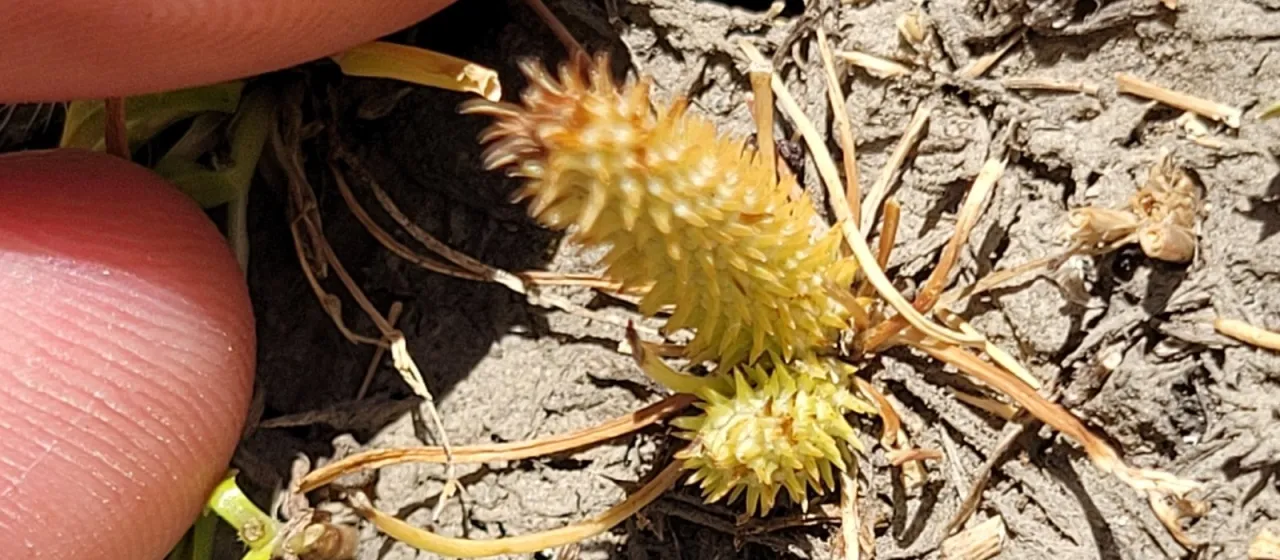
Botanically, Myosurus sessilis is characterized by a basal rosette of linear leaves and the absence of a distinct stem. The most distinctive feature is the elongated floral axis, which grows significantly after pollination and gives the plant its common name. The seeds are arranged densely along this receptacle, facilitating dispersal during the brief wet season.
Regarding agrotechnical requirements, the plant necessitates stable moisture during the germination and vegetative stages. In managed environments, it acts as a stress-indicator plant; soil compaction or rapid drainage often prevents its successful maturation. It is not typically subject to industrial fertilization or pesticide application due to its niche ecological status.
The practical use of this plant is largely restricted to ecological restoration and botanical research. Potential challenges for the species include:
- Root rot caused by stagnant water in poorly drained soils.
- Competition from more resilient invasive grass species.
- Susceptibility to leaf-mining insects that thrive in the same moist conditions.
This species serves as an interesting subject for studying biodiversity in wetlands and managing marginal lands that are subject to recurrent flooding, as it provides a natural cover for sensitive soil areas.