
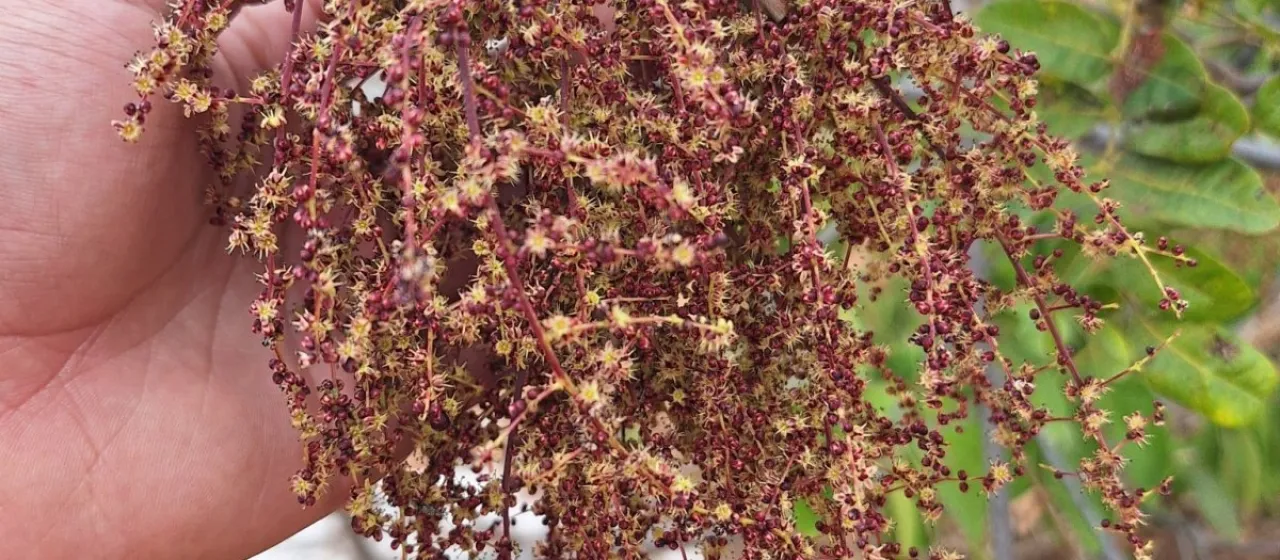
Description
Myracrodruon urundeuva is a significant tree species belonging to the Anacardiaceae family. Renowned for its exceptional durability and hardness, this plant is a staple in forestry management within its native South American range, providing high-quality timber that is highly sought after for both structural and decorative purposes.
The species is primarily native to Brazil, as well as parts of Bolivia, Paraguay, and Argentina. It thrives in diverse tropical ecosystems, including the Caatinga and Cerrado biomes, where it has evolved to withstand extreme fluctuations in rainfall and temperature. This resilience makes it a prime candidate for reforestation efforts in semi-arid tropical regions.
Botanically, this deciduous tree can reach substantial heights, often standing between 10 and 20 meters tall. It is characterized by its complex, compound leaves and a robust bark structure that provides protection against wildfires and physical damage. The reproductive cycle, involving small clustered flowers and dry drupe fruits, is highly adapted to the seasonal rhythms of its natural habitat.
For optimal growth, Myracrodruon urundeuva requires well-drained soils and direct sunlight. It is exceptionally drought-tolerant once established. Silvicultural practices involve careful thinning of secondary vegetation to reduce competition for resources during the initial growth phase, ensuring that young trees can develop their root systems without being suppressed by invasive scrub or weeds.
The primary economic value of the tree lies in its timber, which is exceptionally dense, rot-resistant, and aesthetically pleasing. Beyond construction, the tree is recognized for its medicinal properties, as its bark is rich in tannins and secondary metabolites. While generally hardy, the tree can be subject to fungal infections or wood-boring insects, necessitating periodic phytosanitary management in managed forest stands.