
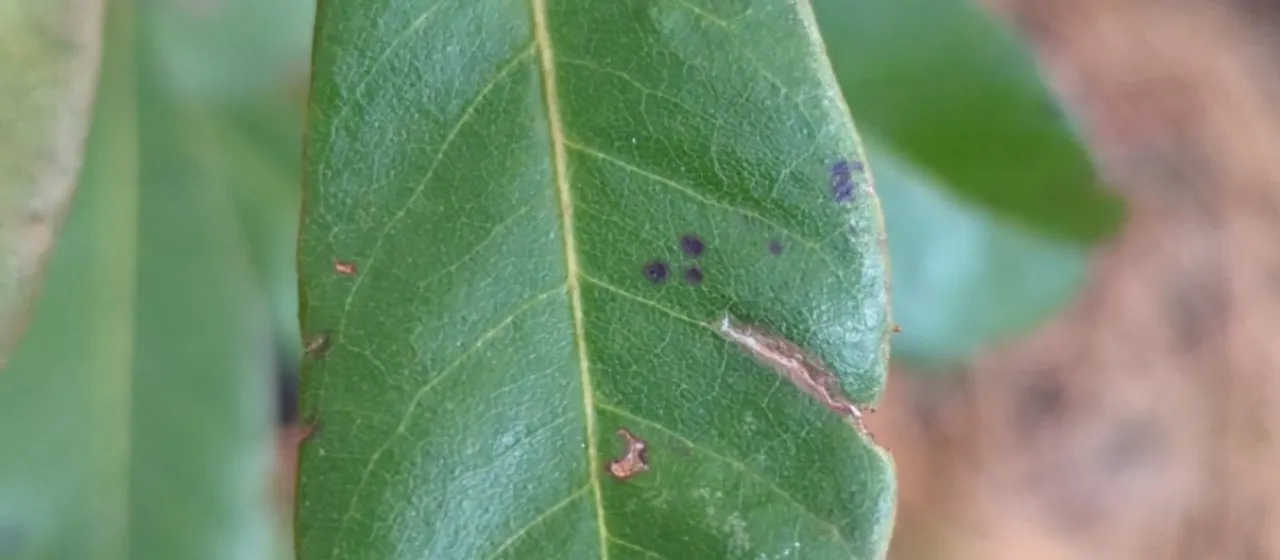
Description
Northern bayberry (Myrica caroliniensis) is a hardy, deciduous or semi-evergreen shrub belonging to the Myricaceae family. It is widely recognized for its aromatic foliage and its ecological significance in coastal environments, where it serves as a robust component of native plant communities.
Native to the eastern regions of North America, this species thrives in varied environments, from acidic bogs to sandy maritime dunes. Its natural range is a testament to its evolutionary adaptation to nutrient-poor soils and challenging environmental stressors, such as salt spray and wind exposure.
Botanically, the plant is characterized by a dense, rounded growth habit and leathery, gland-dotted leaves. One of its most remarkable biological features is its symbiotic relationship with nitrogen-fixing actinomycetes in its root nodules, which enables the plant to thrive in infertile soils where other species would struggle.
Cultivation requirements are relatively straightforward. The species prefers full sun to partial shade and acidic, well-draining soil. Once established, it is remarkably drought-tolerant. Agricultural maintenance involves minimal intervention, primarily focusing on periodic pruning to shape the canopy and maintain a vigorous growth cycle.
The plant has diverse economic and practical uses. Historically, the waxy fruit was harvested to produce scented bayberry candles. Today, it is primarily used in landscaping for erosion control, wildlife hedges, and restoration projects, as its presence helps stabilize coastal dunes and improve overall soil fertility.
- Excellent tolerance to salt spray.
- Natural nitrogen-fixing properties.
- High value for local wildlife and birds.
- Low-maintenance gardening requirements.