
Description
Myrica cordifolia is an evergreen shrub species that belongs to the Myricaceae family. It is a highly specialized plant, uniquely adapted to the harsh conditions of coastal environments, serving as a primary stabilizer for sandy substrates in its native habitat.
Originating from the coastal regions of South Africa, specifically within the Cape provinces, this plant is well-known for its resilience to salt spray and relentless winds. Its distribution is closely linked to its role as a pioneer species that builds and stabilizes sand dunes, protecting inland biodiversity from coastal erosion.
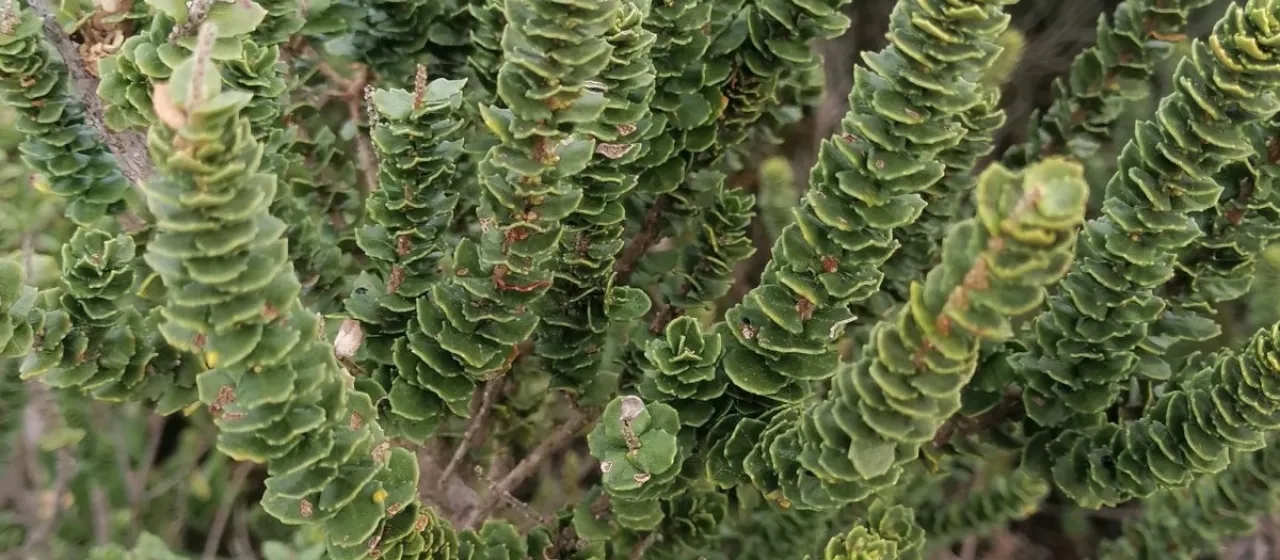
Botanically, the plant features distinctive heart-shaped, leathery leaves that help minimize transpiration. One of its most significant biological traits is the formation of root nodules containing nitrogen-fixing bacteria. This symbiotic relationship allows the plant to thrive in nutrient-poor sandy soils where other agricultural crops would fail to establish.
Agricultural management of Myrica cordifolia requires well-drained, sandy soil types and full sun exposure. It is highly drought-tolerant once established, but young seedlings require protection and occasional irrigation until the root system has fully expanded. Proper spacing is essential to ensure adequate airflow and prevent the accumulation of moisture within the dense canopy.
- Stabilization of sandy dunes and shorelines.
- Extraction of natural waxes from the fruit.
- Windbreaks for coastal agriculture.
- Ornamental landscaping for saline environments.
The plant is remarkably resistant to most common pests and diseases due to its waxy cuticle and chemical composition, which act as a natural deterrent. However, in poorly managed or waterlogged soils, the plant may become susceptible to root rot, which makes soil drainage the most critical factor for long-term health and productivity.