
Description
Myrica esculenta, commonly known as bayberry, is an evergreen tree species belonging to the Myricaceae family. It is highly regarded for its edible fruit and its ecological role in mountain ecosystems, where it often acts as a pioneer species capable of fixing nitrogen in the soil.
The native distribution of this plant includes the Himalayan region, India, Nepal, and parts of China. It typically grows in subtropical climates at altitudes ranging from 1,000 to 2,000 meters above sea level, thriving in regions that experience high levels of humidity and moderate rainfall throughout the growing season.
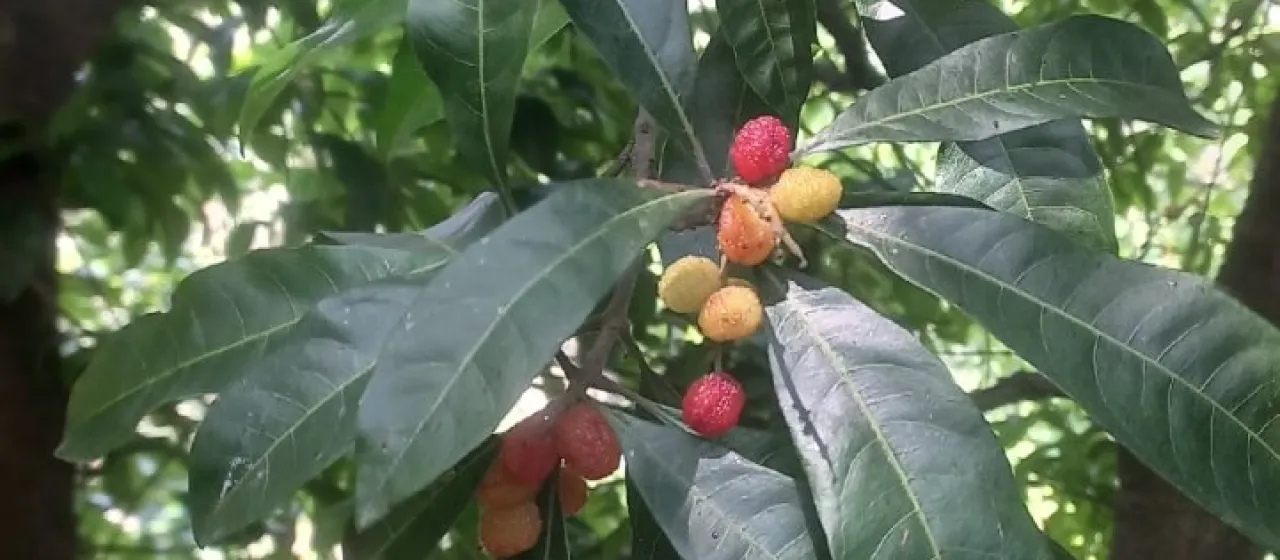
Botanically, the plant is characterized by its stiff, leathery, dark green leaves and small, wind-pollinated flowers. The fruits are drupes that cluster along the branches, ripening to a deep red or purple hue. These berries are fleshy, juicy, and possess a unique tart-sweet flavor profile, making them a popular snack in their native regions.
Cultivation requires specific environmental conditions. It demands acidic soil with excellent drainage and high organic content. While it prefers sunny locations, it can tolerate partial shade in its early development stages. Growers should focus on maintaining constant soil moisture and providing protection against extreme cold, as the species is not frost-hardy.
The economic value of Myrica esculenta lies in both its nutritional and medicinal properties. Fruits are often processed into jams, syrups, and traditional fermented beverages. Additionally, the bark is used in traditional medicine for its astringent properties. Farmers must remain vigilant against common pests like aphids and scale insects, while proper pruning is essential to prevent fungal outbreaks in dense canopies.