
Description
Myrica faya, commonly referred to as the firebush or candleberry, is a woody plant belonging to the Myricaceae family. It is widely recognized for its ecological significance as a nitrogen-fixing species, which allows it to thrive in nutrient-poor environments, particularly in volcanic soils where other plants struggle to establish.
The native distribution of Myrica faya covers the Azores, Madeira, and the Canary Islands. While it is a valued species in its home range, it has become an invasive plant in regions like Hawaii, where it significantly alters soil chemistry by increasing nitrogen levels, which subsequently affects local plant biodiversity and ecological stability.
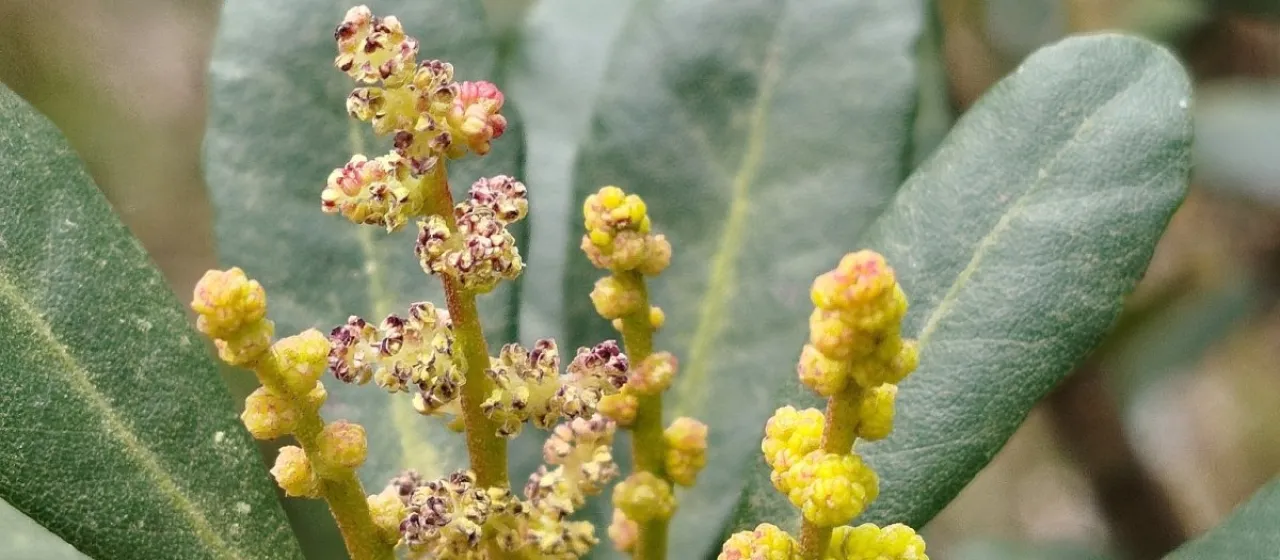
Botanically, the plant is characterized by its evergreen foliage, lance-shaped leathery leaves, and small dark fruits. It is a dioecious species, meaning individual plants are either male or female. The fruits are drupes, which are consumed by birds, aiding in the natural dispersal of seeds, which is a major factor in its rapid population spread.
Regarding cultivation requirements, Myrica faya prefers acidic, well-drained soils and thrives in temperate maritime climates. It has high tolerance for wind and coastal conditions but requires protection from severe frosts. Standard agricultural practices involve managing plant density and monitoring for invasive growth to maintain the desired plot structure.
Economically, the tree is sometimes used for reforestation purposes to improve soil fertility in marginal lands. However, it requires careful monitoring for diseases such as fungal leaf spots or root rot, which can occur in stagnant or overly wet soil conditions. Management also includes periodic thinning to promote healthy crown development and fruit production.
- Biological nitrogen fixation capacity
- High environmental adaptability
- Dioecious reproductive system
- Potential for land restoration