
Description
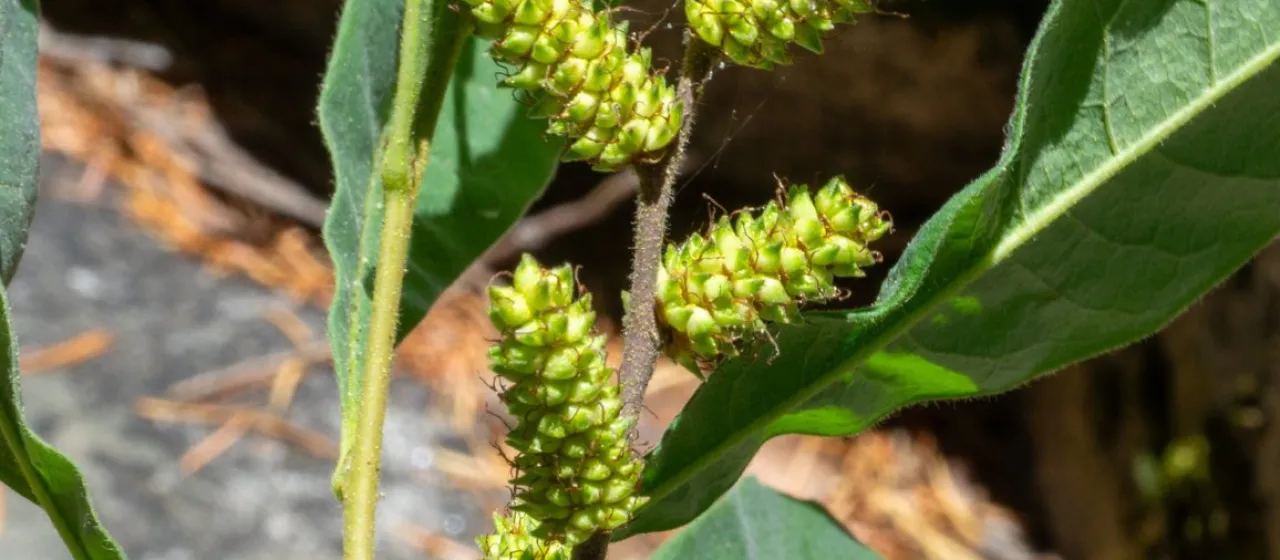
Hartweg's wax myrtle (Myrica hartwegii) is a distinct species of shrub belonging to the Myricaceae family. It is a deciduous plant noted for its aromatic foliage, which contains small glands that release a pleasant, resinous scent when crushed, a characteristic typical of many members of the wax myrtle genus.
The species is native to the Sierra Nevada mountain range in California, where it typically inhabits riparian zones along streams and moist, shady slopes. This restricted distribution highlights the plant's preference for cool, moist environments and its specific ecological niche within mountain forest ecosystems.
Botanically, Hartweg's wax myrtle displays elegant, lance-shaped leaves with serrated margins and a branching habit that makes it an attractive ornamental candidate. One of its most significant biological features is its symbiotic relationship with actinomycetes in the roots, which allows the plant to fix atmospheric nitrogen, facilitating survival in nutrient-poor substrates.
Cultivation requirements involve providing consistently moist, well-draining soil with an acidic to neutral pH. In garden settings, the plant thrives best when given partial shade, which mimics its natural habitat and protects the foliage from excessive summer heat. Proper mulching is essential to maintain soil temperature and moisture levels around the shallow root system.
Regarding its utility, the species is primarily grown by native plant enthusiasts and botanical collections. Beyond its ornamental value, its nitrogen-fixing capabilities make it a candidate for soil stabilization and environmental restoration projects in areas where native flora regeneration is required. It remains a relatively low-maintenance plant once established.
- Excellent nitrogen-fixing ability due to root symbiosis.
- Prefers riparian or semi-shaded garden locations.
- Limited pest pressure due to aromatic oils in leaves.