
Description
Odorless bayberry (Myrica inodora) is a distinctive evergreen shrub belonging to the Myricaceae family. Unlike many members of the bayberry genus which are known for their pungent, aromatic resin, this specific species lacks such glands, resulting in its common and botanical names.
The native distribution of this plant is restricted to the southeastern United States, primarily within the coastal plains of Florida, Alabama, and Mississippi. It naturally thrives in moisture-rich environments, including pine flatwoods and the edges of cypress domes, indicating a high tolerance for waterlogged soils.
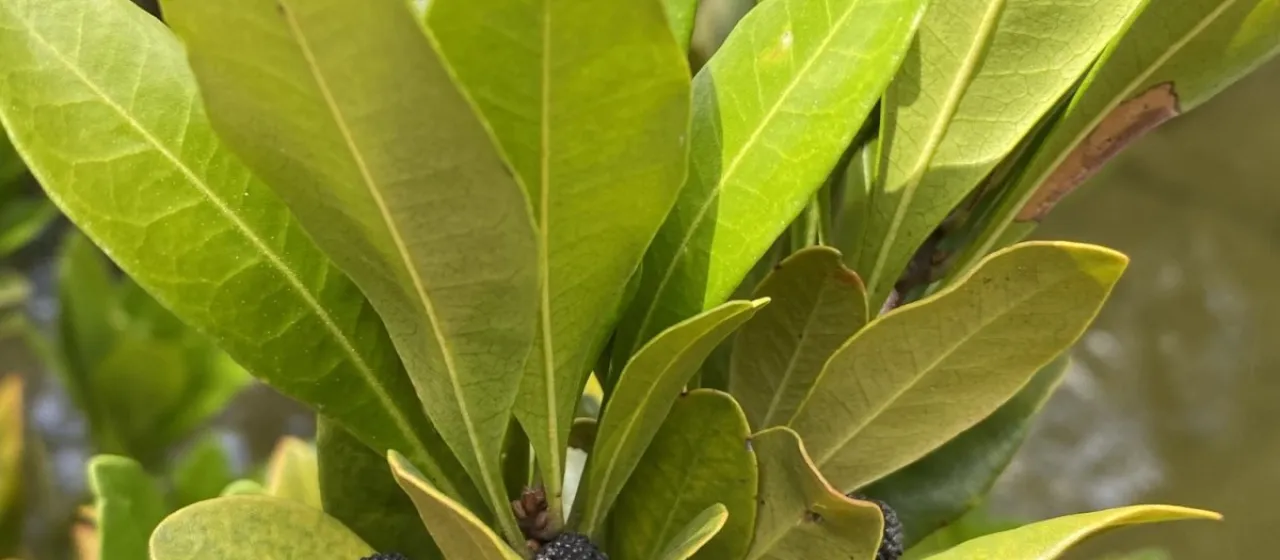
Botanically, Myrica inodora presents as a dense, erect shrub that can reach heights of up to 5 meters. Its foliage is composed of leathery, dark green leaves that remain persistent throughout the year. The reproductive phase involves small, inconspicuous catkins that lead to the development of waxy, spherical drupes characteristic of the family.
Cultivation of this species requires careful management of soil chemistry and hydration. It is an acid-loving plant that demands nutrient-poor but moisture-retentive substrate. In a horticultural setting, it is essential to maintain consistent soil moisture, as the plant is susceptible to drought stress, which can lead to rapid leaf abscission.
While not a major commercial crop, Myrica inodora is utilized in specialized landscape architecture, particularly for wetland restoration and rain gardens. Typical issues affecting its growth include fungal root diseases triggered by poor aeration in saturated conditions and occasionally scale insects that may infest the stem bark.