
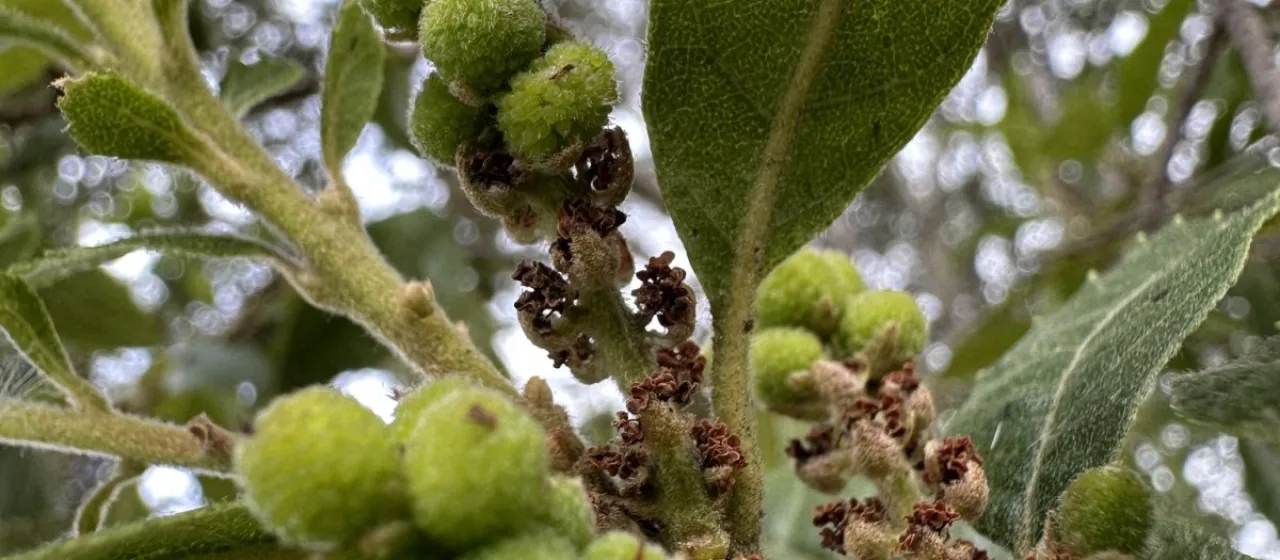
Description
Myrica pubescens is a perennial shrub species belonging to the Myricaceae family. Known for its ability to thrive in challenging environments, this plant plays a significant ecological role in its native habitats, contributing to soil health through symbiotic relationships with microorganisms.
Originating from the high-altitude regions of the Andes, the species is widely distributed across South American countries including Colombia and Ecuador. It is primarily found in cloud forests and humid slopes where the climate provides a steady supply of moisture and moderate temperatures throughout the growth cycle.
Botanically, Myrica pubescens is recognized by its glandular leaves and small, wax-covered fruits. The plant's root system is specialized, allowing for the fixation of atmospheric nitrogen. This adaptation makes it a highly effective species for restoration ecology, as it thrives in nitrogen-poor soils where other vegetation might struggle.
Cultivation requirements necessitate a well-drained, acidic soil profile with high organic matter content. For successful production, it is crucial to avoid waterlogging while maintaining constant soil moisture. The plant performs best in locations with partial shade, simulating the natural light conditions of the Andean mountain slopes.
The primary economic value of this crop is linked to the wax harvested from its fruits, traditionally used for candles and soaps. Furthermore, its potential for agroforestry is significant, as it protects land from erosion and improves nutrient cycling in the ecosystem. Its adaptability continues to attract interest in sustainable farming practices.
- Common pests: Spider mites in dry, warm greenhouse conditions.
- Diseases: Root rot caused by poor soil drainage.
- Management tips: Pruning encourages denser growth and increases fruit yield.