
Description
Northern watermilfoil (Myriophyllum sibiricum) is a submerged perennial aquatic plant belonging to the Haloragaceae family. This species is widely recognized for its significant role in maintaining water quality and supporting aquatic biodiversity within freshwater ecosystems throughout the Northern Hemisphere.
The natural range of this plant extends across the cool and temperate regions of North America, Europe, and Asia. It is typically found in standing or slow-moving waters, such as lakes, ponds, and marshy areas. Unlike some invasive relatives, the northern watermilfoil often acts as a keystone species in its native range, creating complex habitats for diverse aquatic life.
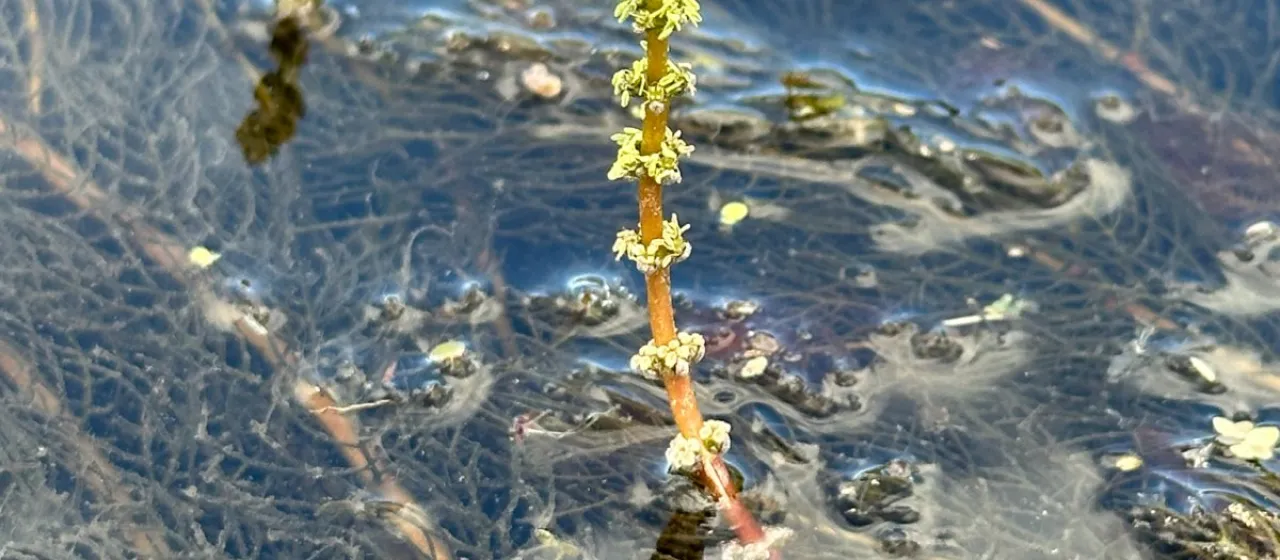
Botanically, the plant consists of elongated, leafy stems that reach towards the surface. The leaves are pinnately divided into fine, thread-like segments arranged in whorls along the stem. This morphology is perfectly adapted for extracting dissolved minerals from the water column, while the submerged roots provide mechanical anchorage in the soft sediments of the lake or riverbed.
Environmental requirements for cultivation involve adequate light penetration and moderate nutrient levels in the sediment. The plant thrives in water temperatures between 15°C and 25°C. It is relatively cold-tolerant, capable of surviving through winters under ice, which contributes to its resilience and survival in high-latitude environments. Proper water clarity is essential for its vegetative growth and photosynthesis.
Economically and ecologically, the northern watermilfoil is primarily utilized for water purification and habitat restoration. Its capacity to absorb inorganic nutrients makes it a valuable tool for managing eutrophication in controlled environments. Furthermore, it provides essential refuge and foraging grounds for juvenile fish and aquatic invertebrates, proving its high value in integrated aquaculture and environmental management programs.
- Effective nutrient uptake (nitrogen and phosphorus).
- Provision of shelter for aquatic fauna.
- Soil stabilization in aquatic environments.
- High tolerance for varying water acidity and temperature.