
Description
Myriopus microphyllus is a perennial woody plant belonging to the Boraginaceae family. Characterized by its dense foliage and shrub-like growth habit, it is a species that thrives in specific tropical ecosystems, showcasing the resilience typical of plants native to the Caribbean region.
The plant originates from the tropical zones of the Americas and the Caribbean. Its natural habitat includes coastal areas and limestone-based soils, where it has adapted to withstand high temperatures, intense solar radiation, and periods of seasonal drought, making it a hardy species in its native environment.
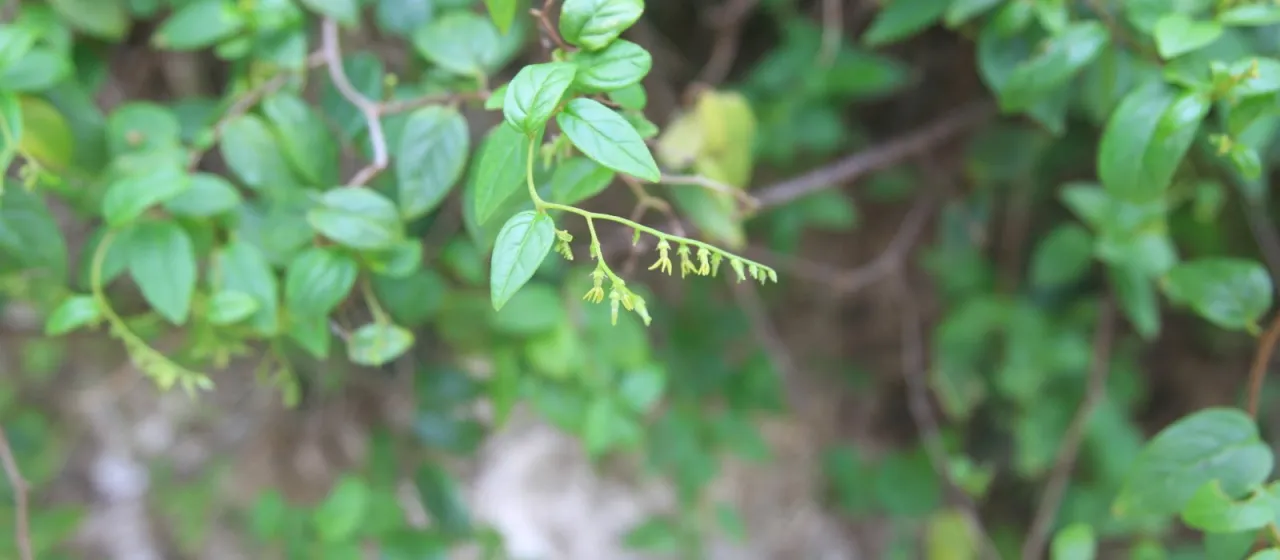
Botanically, Myriopus microphyllus is recognized by its tiny, coriaceous leaves that densely populate its slender branches. The plant produces modest, cluster-like inflorescences that attract various pollinators. Its root system is primarily shallow but expansive, allowing it to efficiently collect moisture from occasional rainfall.
Cultivation requirements necessitate full sun exposure and well-drained, porous soil. As an agricultural or horticultural subject, it demands protection from freezing temperatures, as it is highly sensitive to frost. Watering should be regular during the growth phase but should not lead to waterlogging, as the root system is prone to decay in stagnant water.
The primary use of this species is in landscape architecture, particularly for creating manicured hedges and ornamental borders in tropical climates. It is highly valued for its ability to withstand pruning, which allows for various topiary applications. Furthermore, it serves as a robust addition to xeriscaping projects in suitable geographic zones.
- Requires well-drained, sandy soils
- High tolerance to pruning
- Sensitive to low temperatures and frost
- Requires full sun exposure for optimal density
- Minimal pest incidence under optimal conditions