
Description
Myristica ceylanica is a distinct evergreen tree species belonging to the Myristicaceae family. It is an endemic plant native to Sri Lanka, often overshadowed by its commercially famous relative, the true nutmeg (Myristica fragrans), but it holds unique biological properties and ecological importance within its native habitat.
The origin and primary range of this species are the wet evergreen forests of Sri Lanka. It thrives in high-humidity environments, typically at varying elevations, where it forms part of the canopy layer. Its distribution is highly specialized, requiring stable tropical temperatures and consistent annual rainfall to complete its growth cycle.
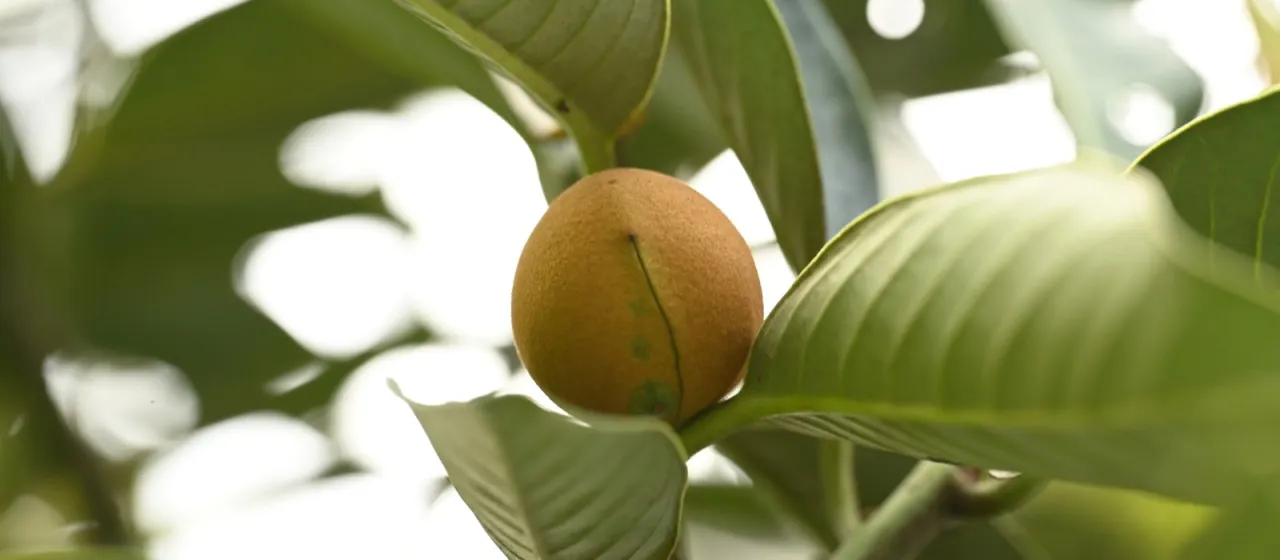
Botanically, the tree is characterized by its large, leathery, elliptic leaves and dioecious flowers. The fruit is a fleshy capsule that splits upon maturity to expose the seed, which is partially covered by a bright red aril. This structure is a key identification feature for this genus and plays a vital role in natural seed dispersal.
For successful cultivation, the species requires deep, well-drained soils rich in organic matter. Agricultural management must prioritize maintaining soil moisture levels while ensuring proper drainage, as the species is highly susceptible to root-related pathogens. Young trees require partial shading until they reach maturity to protect them from excessive heat stress.
The economic use of Myristica ceylanica is centered on its essential oils and localized spice production. While not a global commercial staple, it serves as a valuable genetic resource. Common threats include various fungal pathogens that target the root system in waterlogged conditions and specific leaf-feeding pests that can impact growth rates.