
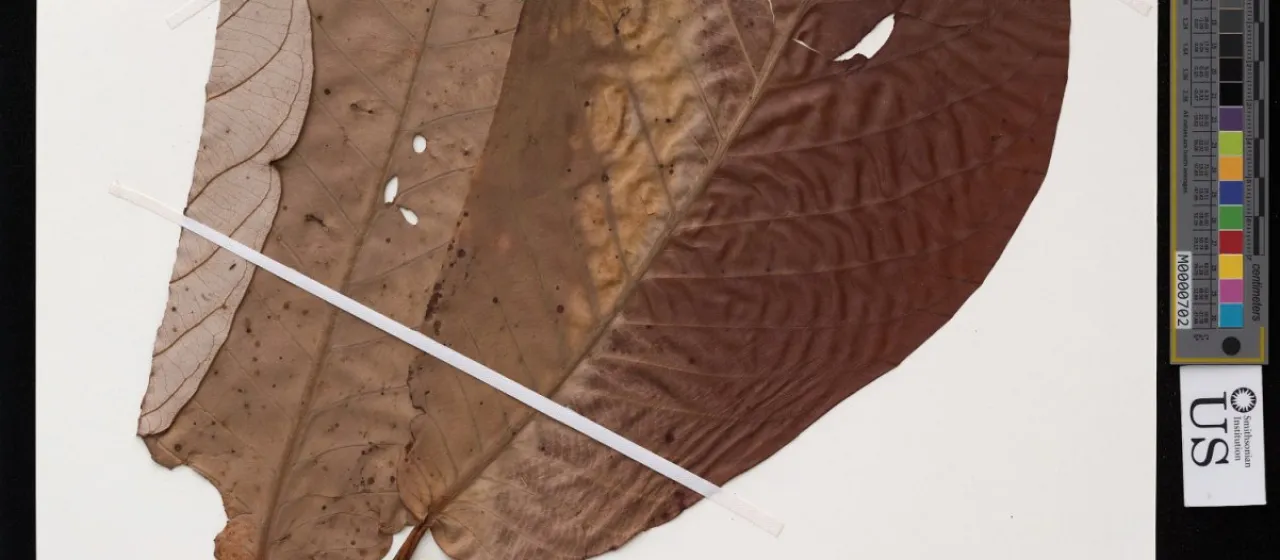
Description
Myristica hypargyraea is a distinct plant species belonging to the Myristicaceae family. While closely related to the commercially vital nutmeg tree, this species possesses unique genetic and morphological characteristics that define its specific ecological niche within tropical environments.
The plant originates from the tropical regions of Southeast Asia and various Pacific island groups. Its native habitat consists of dense, humid tropical forests where it serves as a crucial component of the ecosystem. Successful cultivation requires a climate that mimics these conditions, characterized by high temperatures and significant annual precipitation without a prolonged dry season.
Botanically, this species is noted for its evergreen growth habit. The leaves are distinctively leathery and feature a silver-toned underside, which gives the plant its scientific name. Like other members of the genus, it produces fleshy fruits that house seeds protected by a fibrous aril, which contains chemical compounds similar to those found in standard nutmeg.
Cultivation practices for Myristica hypargyraea demand well-drained, nutrient-rich volcanic or alluvial soils. Agricultural management involves maintaining consistent humidity levels and providing partial shade during the plant's early growth stages. Fertilization should focus on organic matter inputs to sustain the slow-growing nature of the tree in managed environments.
The economic value of this species lies in its secondary metabolites used in specialized perfumery and traditional herbal remedies. To maintain a healthy plantation, agronomists must monitor and mitigate risks such as:
- fungal pathogens that thrive in high-humidity canopy environments;
- insect larvae damage to young stems and leaf tissue;
- soil nutrient leaching due to heavy tropical rainfall.