
Description
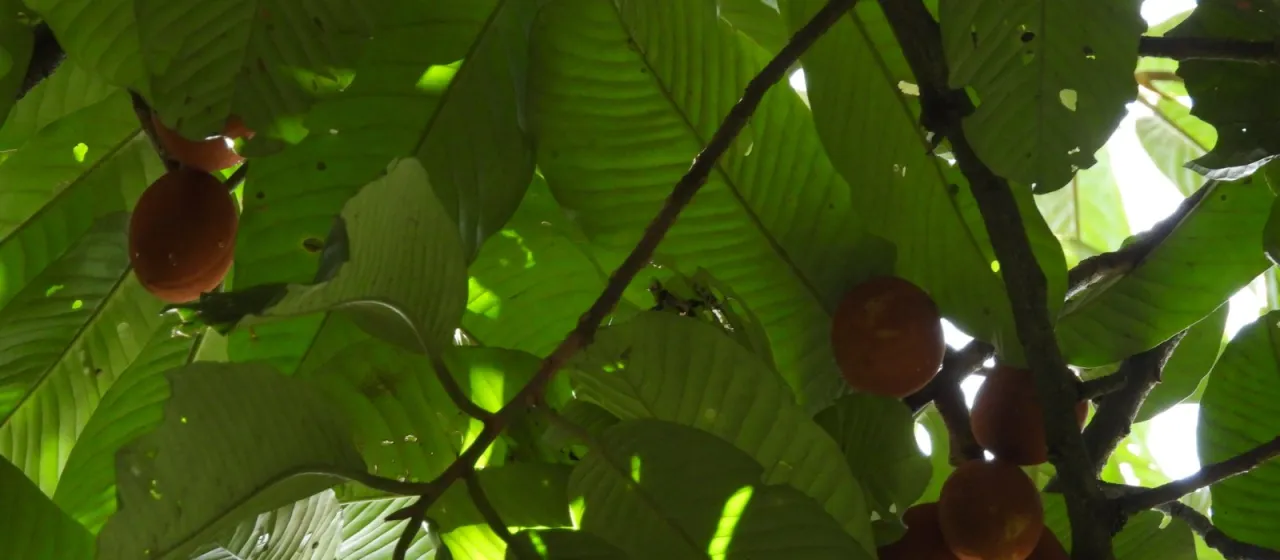
Myristica maxima is a tropical evergreen tree species belonging to the Myristicaceae family. This botanical relative of the common nutmeg (Myristica fragrans) is native to the lush, humid ecosystems of Southeast Asia, thriving in regions where environmental conditions remain consistently warm and moist throughout the year.
The geographic range and cultivation area are primarily concentrated in the tropical zones of Indonesia and the surrounding islands. The tree is well-adapted to high precipitation levels and equatorial temperatures, typically requiring a stable climate between 25°C and 30°C to maintain healthy physiological processes and optimal fruit development.
Botanically, Myristica maxima is characterized by large, leathery leaves and a robust, spreading canopy. The reproductive system produces fleshy fruits containing seeds wrapped in a vibrant aril. Its unique chemical profile, distinct from the commercial nutmeg, makes it a subject of ongoing research for its aromatic and potential industrial properties in spice production.
Agronomic success with this species depends heavily on site selection. The crop requires deep, fertile, and well-draining soils rich in organic matter. Water management is critical; while the plant thrives in high-humidity environments, it cannot withstand waterlogged soils, which can lead to significant physiological stress and root system degradation.
Commercial management strategies involve several key practices:
- Providing partial shade for saplings during early growth stages.
- Applying balanced organic fertilization to maintain soil nutrient levels.
- Maintaining proper spacing between trees to ensure adequate airflow.
- Regular pruning to facilitate canopy management and harvesting.
The crop is susceptible to various threats, including wood-boring insects and sap-sucking pests common in tropical plantations. Pathological risks include various fungal pathogens that thrive in high-humidity environments, necessitating proactive canopy management and regular monitoring to prevent outbreaks of root rot and leaf blight.