
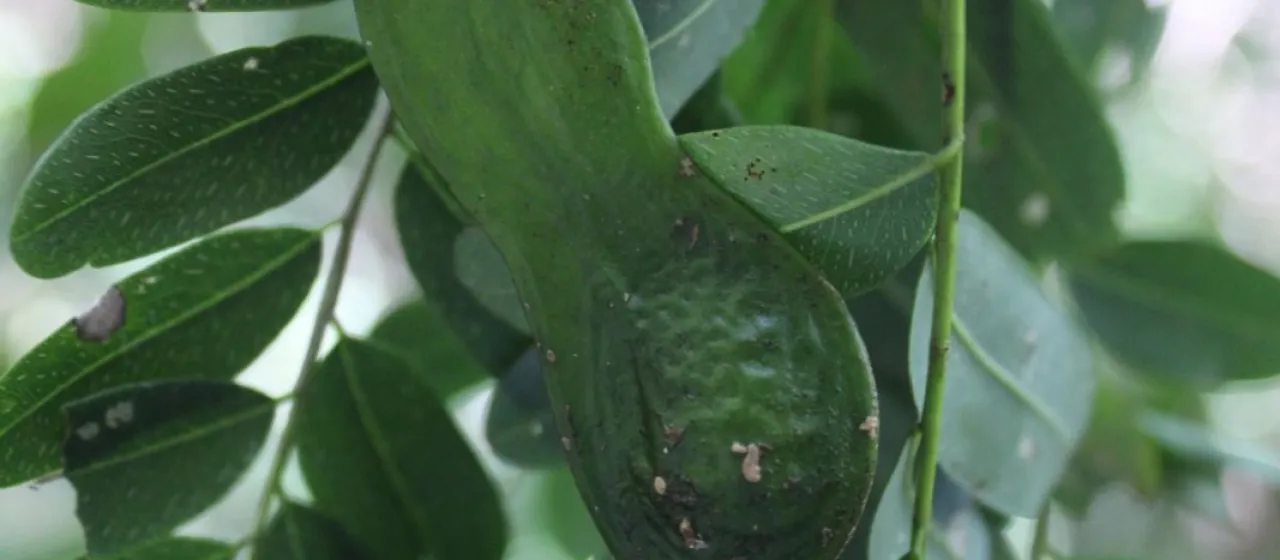
Description
Myrospermum frutescens is a perennial woody plant belonging to the Fabaceae (legume) family. Often appearing as a small tree or large shrub, it is notable for its ecological adaptability and the chemical compounds present in its sap, which have been historically significant for local communities.
Native to the tropical regions of Central and South America, the species thrives in areas with consistent temperatures and seasonal rainfall. Its distribution spans across countries like Mexico, Colombia, and Brazil, where it grows primarily in lowland forests. Due to its specific climate requirements, it is strictly categorized as a tropical crop, unable to withstand frost or prolonged cold spells.
Botanically, the plant displays characteristic pinnately compound leaves and racemes of fragrant, white-to-pinkish flowers. The fruit is a single-seeded samara-like pod adapted for wind dispersal. The wood of Myrospermum frutescens is recognized for its durability and resistance to biological decay, qualities that stem from its dense cellular structure and natural chemical defenses.
Cultivation practices for this species emphasize the need for well-draining, nutrient-rich soils. While the plant can tolerate varying light levels, optimal growth is achieved in sunny, well-ventilated conditions. Agronomic management involves maintaining proper soil moisture during the establishment phase and ensuring that the tree is planted in areas where the soil pH is conducive to legume nitrogen-fixing processes.
The economic and agricultural utility of the crop includes:
- Extraction of medicinal resins used for therapeutic applications.
- Harvesting of dense timber for traditional construction and specialized woodworking.
- Integration into agroforestry systems to enhance soil nitrogen levels.
- Use in reforestation efforts to restore secondary tropical forest ecosystems.
The crop is occasionally susceptible to fungal root rot in poorly drained substrates and infestation by leaf-chewing insects during the rainy season. Integrated pest management (IPM) strategies, which focus on maintaining soil health and using natural predators, are the most effective ways to ensure the longevity of the stand. Regular site inspections help to mitigate the spread of pathogens before they affect crop vitality.