
Description
The resurrection bush (Myrothamnus flabellifolius) is a distinctive woody shrub belonging to the monotypic family Myrothamnaceae. It is globally recognized for its remarkable ability to survive extreme desiccation. During prolonged droughts, the plant loses the majority of its water content and turns brittle, only to rapidly recover and regain its metabolic functions within hours of the first rainfall.
This species is native to the southern regions of Africa, including Zimbabwe, Namibia, and South Africa. It typically occupies rocky outcrops and shallow, nutrient-poor soils in mountainous regions. The plant has evolved to thrive in environments where seasonal water availability is highly unpredictable and temperature fluctuations are extreme.
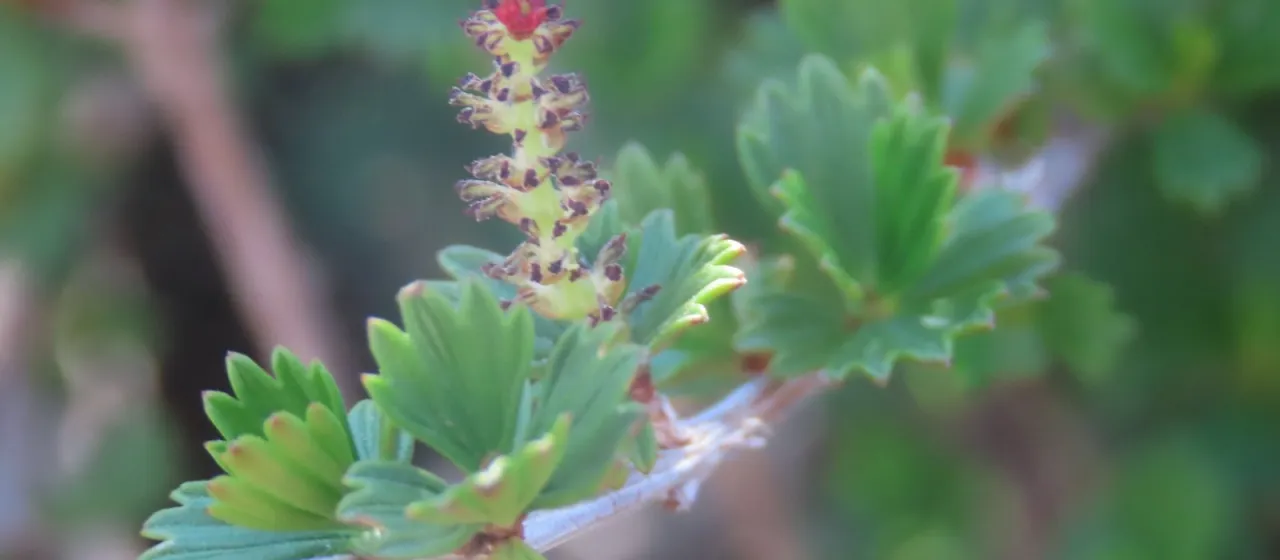
Morphologically, the plant appears as a dense, low-growing shrub with small, opposite leaves. These leaves contain high concentrations of trehalose and various phenolic compounds, which prevent cell wall collapse during dry periods. When dehydrated, the leaves fold tightly against the stems to protect the internal tissues from direct sunlight and further moisture loss.
Cultivation of Myrothamnus flabellifolius is complex and remains niche due to the plant's specific environmental requirements. It demands excellent drainage and minimal organic matter in the substrate. In a controlled agricultural or nursery setting, the primary challenge is to maintain the correct cycle of hydration and moisture stress, as constant dampness inevitably leads to root rot.
The plant has gained commercial interest due to its potent phytochemical profile. The major applications include:
- Cosmetic industry: integration into skin care products for its stress-protective properties.
- Biotechnology: studying its cellular preservation mechanisms for scientific research.
- Traditional medicine: local use for treating respiratory issues and general inflammation.
From an agronomic perspective, the plant is relatively free from common pests but highly susceptible to pathogenic fungi when managed in improper humidity levels. In its native habitat, sustainability remains a concern, as indiscriminate harvesting for medicinal or ornamental purposes threatens local populations. Future development depends on advancing greenhouse technologies to mimic its extreme environment.