
Description
Myroxylon balsamum is a prominent tropical tree species belonging to the Fabaceae family. It is globally recognized as the primary botanical source of balsams, specifically Tolu balsam and Peru balsam, which are viscous, fragrant resins produced by the tree as a natural response to injury or systemic stress.
The tree is native to the tropical forests of Central and South America. It thrives in humid, frost-free environments where high precipitation levels occur throughout the year. It requires a stable tropical climate and is typically found in regions with rich, well-drained soil, making it a sensitive but highly valuable forestry crop.
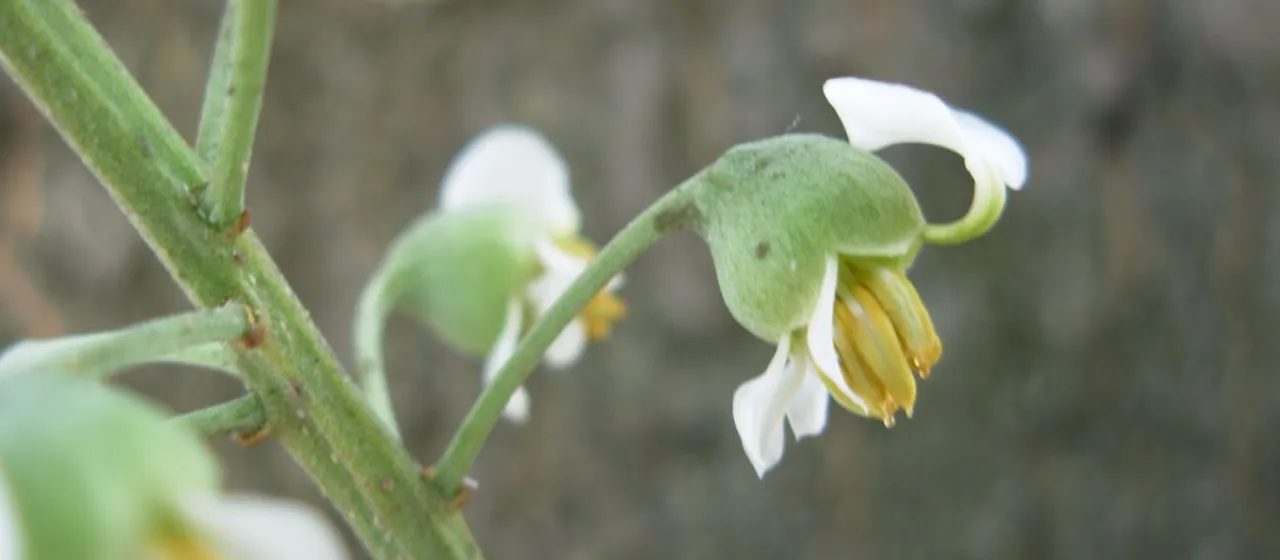
Botanically, it is a tall, deciduous or evergreen tree characterized by pinnate leaves and small, white, fragrant flowers. The fruit consists of a single-seeded pod, specifically adapted for wind dispersal. The internal structure of the tree, particularly the bark, contains specialized ducts that store the complex oleoresins valued for their chemical composition.
Agricultural requirements include careful site selection with high soil fertility and adequate moisture management during the establishment phase. Proper spacing is crucial to ensure enough light for optimal growth while protecting the lower stem from excessive sun exposure. Propagation is generally conducted via seeds, which should be sown in prepared nursery beds to ensure a strong root system before transplantation.
Industrial and commercial applications include:
- extraction of medicinal resins for antiseptic and respiratory treatments;
- perfumery production due to the unique scent profile of the balsam;
- high-quality timber production for construction and luxury furniture;
- use as an ingredient in cosmetics and oral care products.
The species faces challenges from pests such as wood-boring insects and susceptibility to fungal pathogens if the bark is improperly managed during the tapping process. Integrated pest management, focusing on clean tapping techniques and canopy health, is essential for maintaining the productivity and longevity of the plantation.