
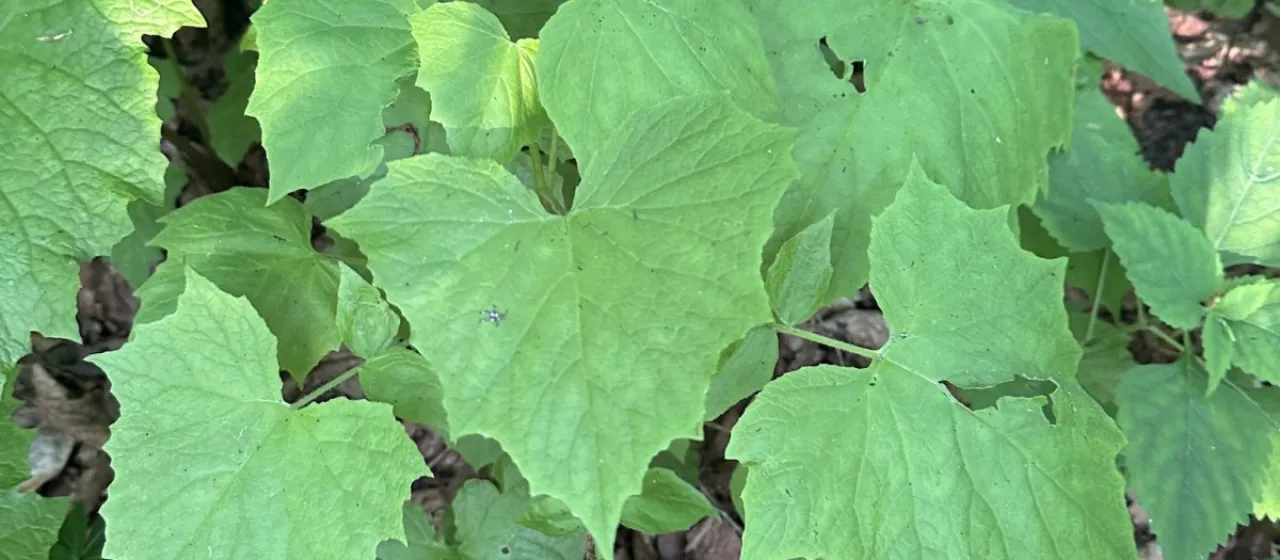
Description
Nabalus tatarinowii is a perennial herbaceous plant belonging to the Asteraceae family. Known in botanical literature also as Prenanthes tatarinowii, this species is a fascinating subject for both botanical study and specialized cultivation. Its unique growth pattern and specific ecological requirements make it a distinctive crop within the context of medicinal plant production.
The native range of this plant encompasses parts of East Asia, primarily inhabiting moist, shaded environments such as forest margins and hillside meadows. This historical distribution informs its requirements in agricultural settings, where it thrives best when provided with consistent moisture and protection from intense, direct solar radiation throughout the growing season.
Botanically, the plant features a robust root system and upright stems bearing intricately shaped foliage. The inflorescence consists of drooping flower heads, typical of the genus, which can display a range of subtle color variations. These morphological traits contribute to its resilience, allowing it to establish well in temperate climates provided the soil conditions are suitable for its root development.
Agronomic practices for this species should focus on creating a stable microclimate. It requires well-drained but moisture-retentive soils, rich in organic matter. Regular mulching is recommended to maintain soil temperature and moisture levels, while adequate spacing is essential to ensure proper air circulation and to prevent the development of common fungal diseases like mildew, which can occur in stagnant, humid environments.
The primary utility of Nabalus tatarinowii lies in its potential use as a source of phytochemicals in pharmacological research. Beyond its medical interest, it is valued in sustainable landscaping for its ability to thrive in shaded areas where traditional crops often fail. As an introduced species, it remains an important subject for conservation and sustainable cultivation practices in modern agriculture.
- Preference for partially shaded locations.
- Requirement for well-drained, nutrient-rich soil.
- Susceptibility to root rot if soil drainage is poor.
- Potential for growth in temperate zones with proper care.