
Description
Nanocnide japonica is a herbaceous perennial plant belonging to the Urticaceae family. It is a unique botanical specimen known for its delicate growth habit, which stands in contrast to the more robust and common members of the nettle family. It is primarily valued in botanical circles for its specific growth requirements and aesthetic appeal in shaded environments.
The native range of this species covers parts of East Asia, primarily Japan and neighboring regions. It typically thrives in the understory of temperate forests, near streams, and in other humid, sheltered locations. This natural habitat provides the high atmospheric humidity and organic-rich soil substrate that the plant requires for healthy development.
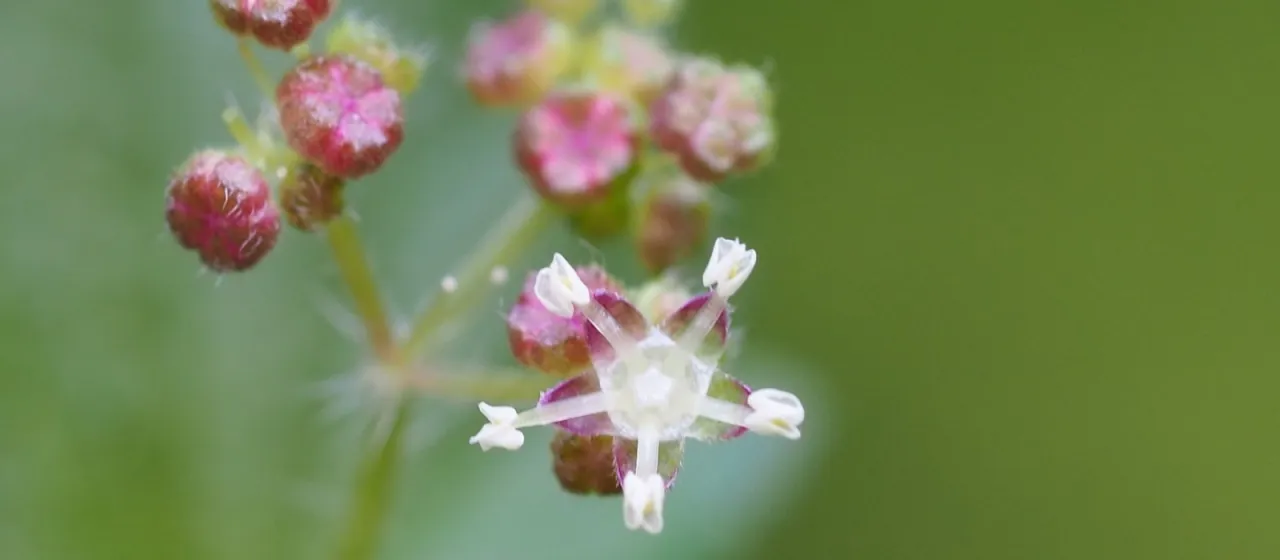
Botanically, Nanocnide japonica features slender, often branched stems with alternate, finely serrated leaves. Its reproductive biology is characteristic of the family, producing small, inconspicuous flowers. The plant's architecture allows it to function effectively as a ground cover in protected, moisture-retaining garden zones.
Cultivation of this species requires meticulous attention to site selection. It performs best in partial to full shade, avoiding direct, harsh sunlight which can scorch its leaves. The soil should be well-drained, porous, and consistently moist, mimicking the forest floor environment. Mulching is highly recommended to maintain soil moisture levels and temperature stability.
From a horticultural perspective, Nanocnide japonica is used as an ornamental for woodland gardens. Protection from slugs and snails is essential, as these pests are attracted to the succulent foliage. Monitoring for damp-related fungal diseases is also a critical part of the maintenance program, especially in regions with high seasonal precipitation.