
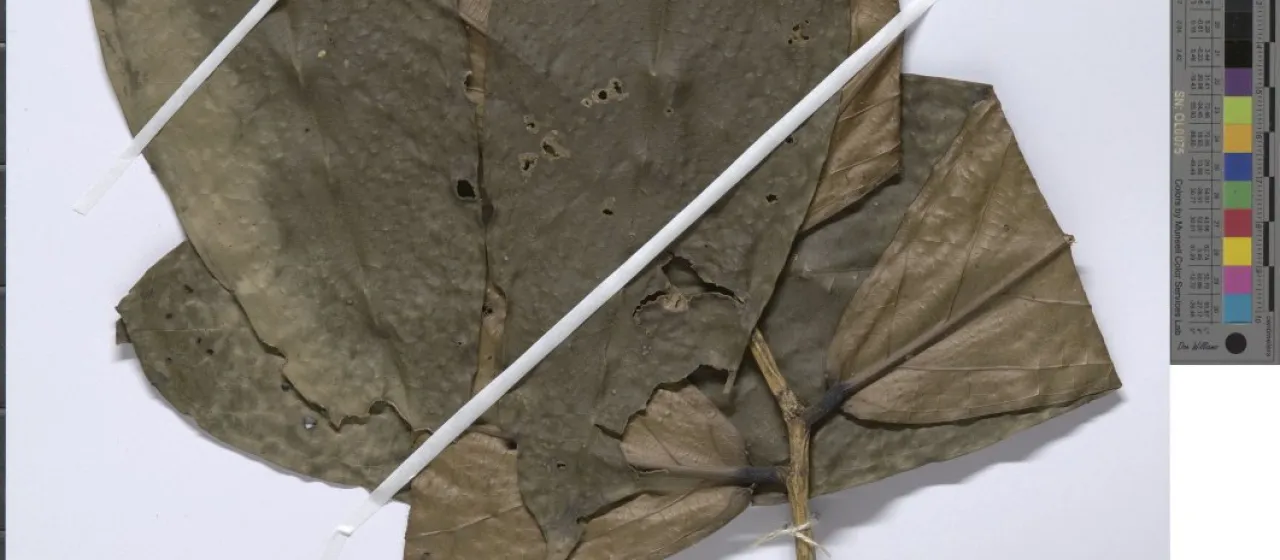
Description
Napoleonaea imperialis is a distinctive evergreen woody species belonging to the Lecythidaceae family. Often referred to as a botanical rarity, it is famous for its intricate, crown-like flowers that exhibit an extraordinary level of structural complexity. The plant remains a subject of intense interest for both botanical research and professional horticulture collectors.
Native to the humid tropical forests of West and Central Africa, this species thrives in lowland environments characterized by high annual rainfall and consistent, warm temperatures. In the wild, it forms part of the dense forest understory, requiring a shaded canopy to protect its foliage from intense direct sunlight. Its range is primarily restricted to these specific tropical zones, making it an exotic find globally.
Botanically, the species is defined by its coriaceous leaves and the phenomenon of cauliflory, where flowers and fruits develop directly on the woody stem. The flower is a complex organ with several concentric whorls of petal-like structures, displaying shades that range from white and yellow to deep purple. The fruit is a drupe-like structure, significant for seed dispersal and reproduction within its native habitat.
Cultivation requires strict environmental control. The plant demands high atmospheric humidity, warm temperatures ranging from 22°C to 28°C, and acidic, well-draining soil rich in organic matter. Proper agrotechnology involves avoiding moisture stress and ensuring excellent drainage, as the roots are highly susceptible to rot if submerged in water for extended periods.
Regarding economic and human use, the plant is valued for its potential medicinal properties in traditional West African medicine, where extracts are utilized for skin ailments. In modern horticulture, its primary utility is ornamental. Common pests include aphids and mites, which can be managed through regular monitoring and appropriate horticultural oils when necessary, ensuring the plant remains healthy in its sheltered environment.
- Maintain high ambient humidity levels.
- Use acidic, peat-based potting substrates.
- Provide filtered or indirect sunlight.
- Monitor for scale insects and mites.