
Description
Nardia scalaris is a species of liverwort belonging to the family Solenostomataceae. While it is not a cultivated agricultural crop, it is a significant bryophyte found in various habitats across the Northern Hemisphere. Understanding its biological nature provides insights into soil moisture regulation and primary succession in disturbed forest environments.
This species is widely distributed throughout temperate and boreal regions, preferring damp, acidic substrates. It is commonly found on moist, bare clay soils, along stream banks, and on mountain tracks. Its ability to colonize mineral-poor soils makes it a vital pioneer species in areas where other vegetation struggles to establish a foothold.
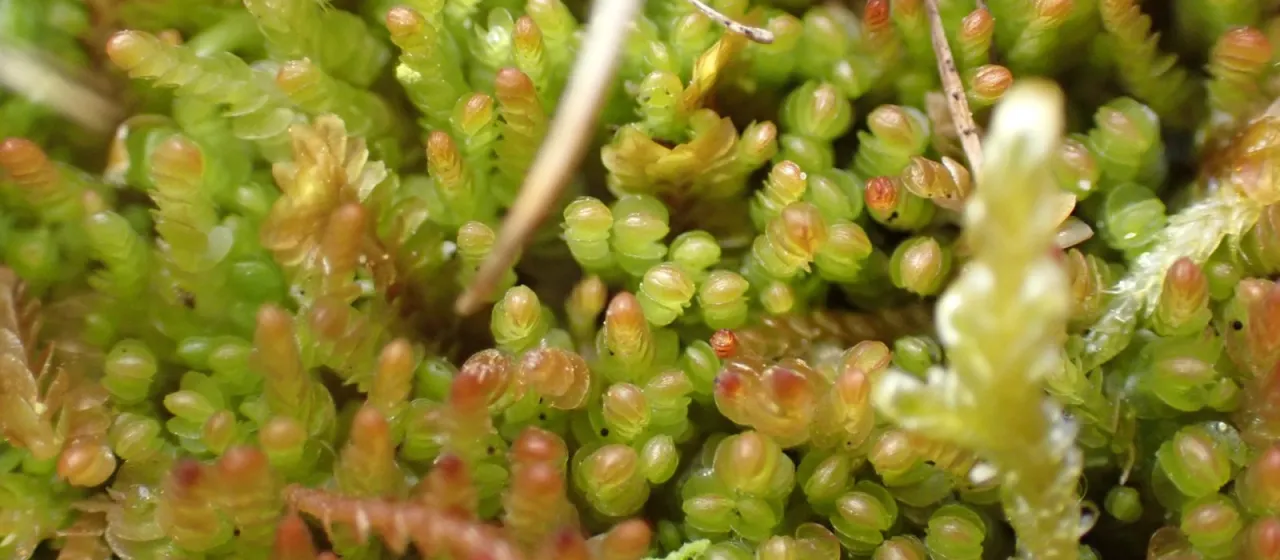
Botanically, Nardia scalaris is characterized by its prostrate stems and imbricated, rounded leaves that give the plant a ladder-like appearance. The plants grow in mats or patches that trap moisture and organic particles, thereby slowly improving the quality of the soil surface. They reproduce primarily via spores, which allows for widespread dispersal in suitable humid microclimates.
In an agricultural management context, this species serves as a biological indicator. Its colonization of fields often signals poor drainage, soil compaction, or high acidity. Agronomists typically view its presence as a sign that soil management practices, such as deep tillage or improved drainage, might be necessary to restore optimal conditions for commercial crop growth.
- Requires consistent soil moisture.
- Thrives in acidic to neutral pH ranges.
- Sensitive to synthetic chemical fertilizers and herbicides.
- Functions as a natural soil binder to prevent erosion.
The ecological importance of Nardia scalaris lies in its contribution to soil development and habitat stability. It does not have specific commercial uses and is generally unaffected by typical crop pests. However, it is highly susceptible to habitat destruction and pollution, making it a valuable indicator for assessing environmental health in woodland and pasture areas.