
Description
Nardostachys jatamansi is a perennial flowering plant belonging to the Caprifoliaceae family. Known commonly as spikenard or jatamansi, it has been prized for centuries for its aromatic rhizomes, which are used in Ayurvedic medicine, aromatherapy, and high-end perfumery. The plant is botanically distinct for its hairy-looking rootstock, which gives it its specific common name in local languages.
Native to the Himalayas, Nardostachys jatamansi thrives in alpine environments at altitudes ranging from 3000 to 5000 meters. Its primary habitat spans across India, Nepal, Bhutan, and China. Due to over-harvesting in the wild, the species is currently classified as endangered in some regions, making its organized cultivation a priority for conservation and sustainable industrial supply.
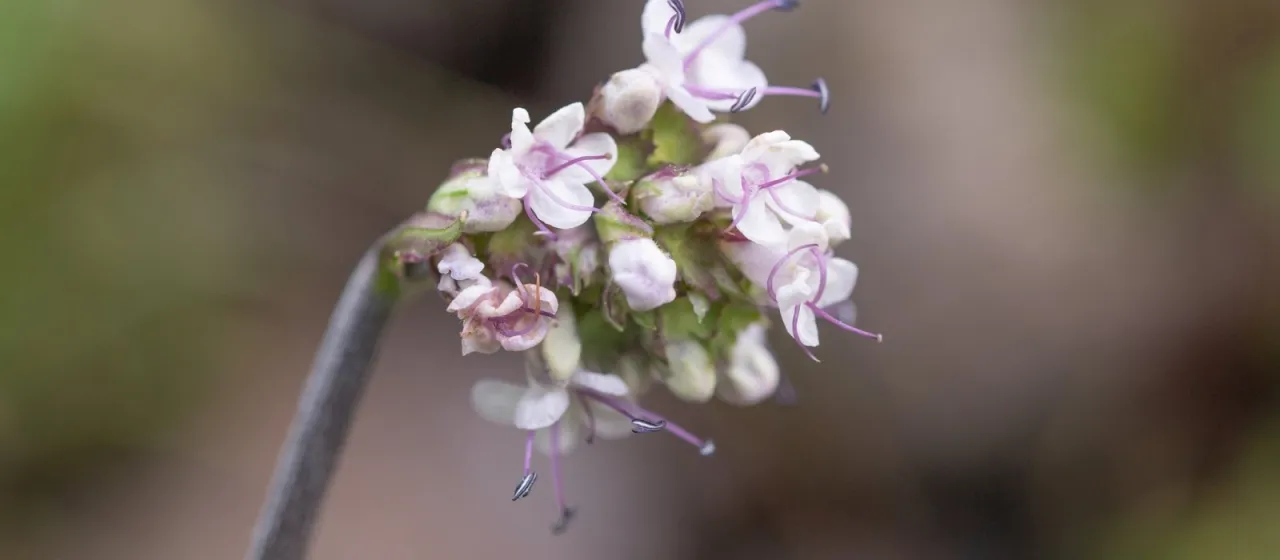
The plant features a rosette of basal leaves and a single flowering stem reaching 10 to 60 centimeters in height. The inflorescence is a dense, head-like cluster of small, bell-shaped flowers that are typically pink or purple. Its root system is deep and fibrous, specialized for survival in rocky, thin mountain soils, and acts as the primary storage organ for its valuable essential oils.
Cultivation requires conditions that mimic its native high-altitude environment. Essential requirements include cool temperatures, well-drained loamy soil with high organic matter, and consistent moisture. Excessive heat and poor drainage are the primary causes of failure in commercial cultivation attempts. Plants are best propagated through rhizome division during the dormant season to ensure consistent growth and survival rates.
The economic value of Nardostachys jatamansi lies in its roots, which are distilled to produce precious essential oils used in sedative and anti-stress medications. In terms of plant health, the crop is susceptible to various fungal pathogens and root rots, particularly when humidity levels are too high or soil aeration is inadequate. Integrated pest management, focusing on proper spacing and drainage, is essential for maintaining a healthy and productive crop yield.