
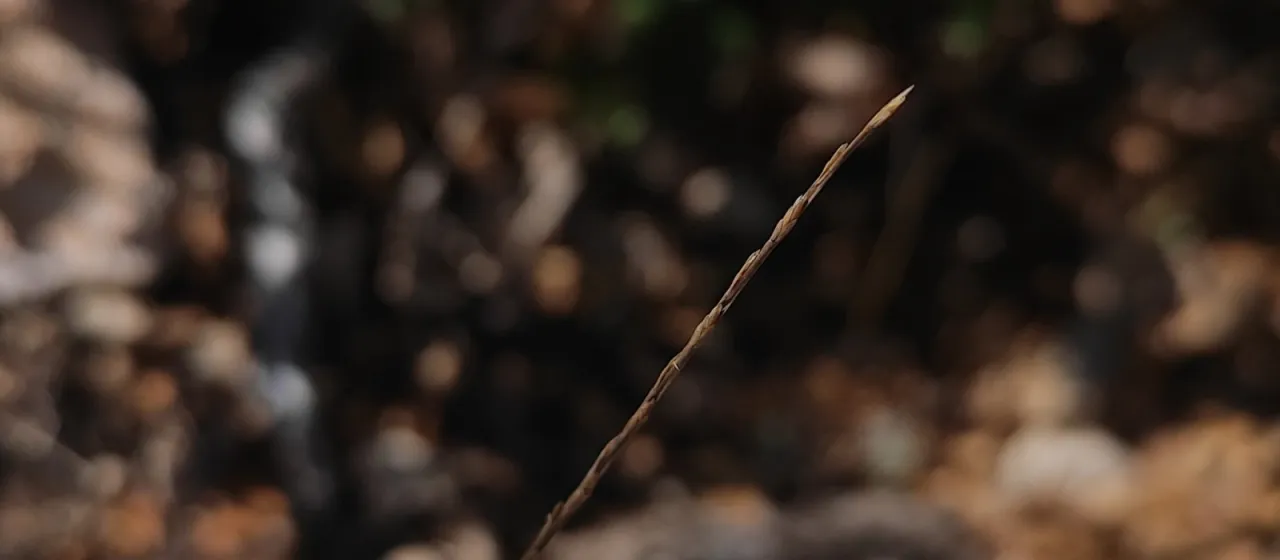
Description
Narduroides salzmannii is a perennial grass species belonging to the family Poaceae. This plant has gained interest in modern agronomy due to its inherent hardiness and ability to thrive in Mediterranean-type climates, where most conventional forage crops struggle during the dry season.
The plant originates from the Mediterranean region, with a native range extending across southern European coastlines and parts of North Africa. It is typically found in rocky habitats and semi-arid grasslands, demonstrating a remarkable capability to persist under harsh environmental pressures and extreme temperatures.
Botanically, it is recognized by its slender culms and narrow, grayish-green leaves which serve as an adaptation to minimize transpiration. It forms dense, low-growing tufts that are well-suited to withstand mechanical stress from grazing animals. The inflorescence is a narrow, spike-like panicle, providing reliable seed production even in unfavorable years.
Regarding cultivation requirements, Narduroides salzmannii prefers well-drained, nutrient-poor, or calcareous soils. It is highly drought-tolerant, requiring minimal supplementary irrigation. In terms of agronomic practice, it is recommended to maintain a balanced grazing intensity to prevent over-competition with invasive weeds and to encourage the grass to spread effectively through root development.
The primary economic value of this crop lies in its use as forage for livestock, particularly in extensive grazing systems. Its ability to provide nutrition during periods when more palatable grasses are dormant makes it an essential asset for sustainable pasture management. Furthermore, its root structure makes it a viable candidate for soil erosion control programs in degraded hilly areas.
- Excellent drought tolerance and water-use efficiency.
- Well-adapted to thin, calcareous, and rocky soil types.
- High nutritional quality during the active vegetative growth phase.
- Minimal maintenance and input requirements.