
Description
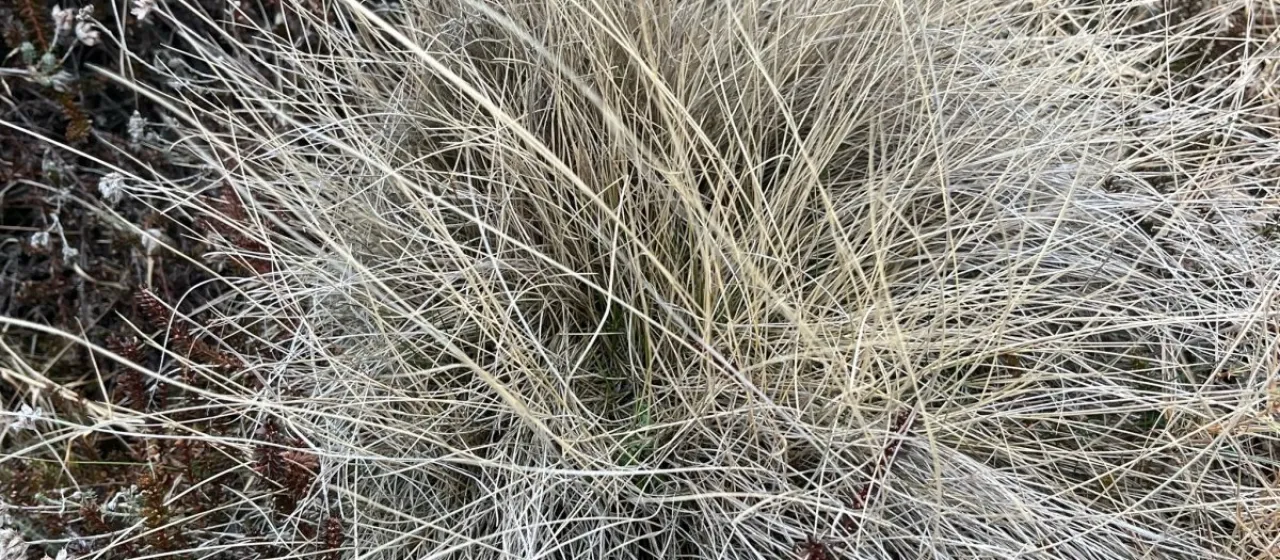
Matgrass (scientific name: Nardus stricta) is a perennial grass species belonging to the family Poaceae. It is a dense, mat-forming bunchgrass, recognized by its distinct stiff, bristle-like leaves that form low, compact tussocks in the field.
The origin of this species is traced to Europe, temperate Asia, and North Africa, with populations also found in North America. It is typically found in nutrient-poor, acidic habitats, including mountain pastures, moorlands, and heathlands, where it often dominates the vegetation due to its superior ability to thrive in challenging soil conditions.
Botanically, the plant is characterized by its hair-like leaf blades and erect flowering stems that reach up to 30 cm in height. The root system is robust, providing the plant with the stability and endurance necessary to survive in compacted or degraded soils where more sensitive grass species fail to establish.
Regarding agricultural requirements, Matgrass is generally considered an indicator of degraded soil quality. It does not require high levels of nitrogen and grows optimally in acidic soils (pH below 5.5). In managed agricultural settings, it is often treated as a problematic species because of its low digestibility and poor nutritional profile for livestock.
Agricultural usage is primarily focused on soil erosion control and stabilization in marginal, mountainous areas. It is susceptible to various rust diseases and ergot. Effective management in grazing areas involves improving soil fertility through liming and fertilization, which discourages the spread of Matgrass in favor of more palatable and productive grass species.