
Description
Nauclea latifolia is a perennial shrub or small tree belonging to the Rubiaceae family. Widely recognized in African traditional agriculture, it is often referred to as the "African peach" due to its spherical, fleshy, and edible fruits. This species serves as a vital resource for both nutrition and ethnomedicine, making it a subject of increasing interest for sustainable agricultural development in tropical regions.
The plant originates from tropical Africa, with a natural range extending from the western coastal regions to the interior of East Africa. It thrives in diverse habitats, including savanna woodlands and riverine environments. Its ability to tolerate varying soil types and climate conditions makes it a versatile crop for farmers operating within the African tropical belt.
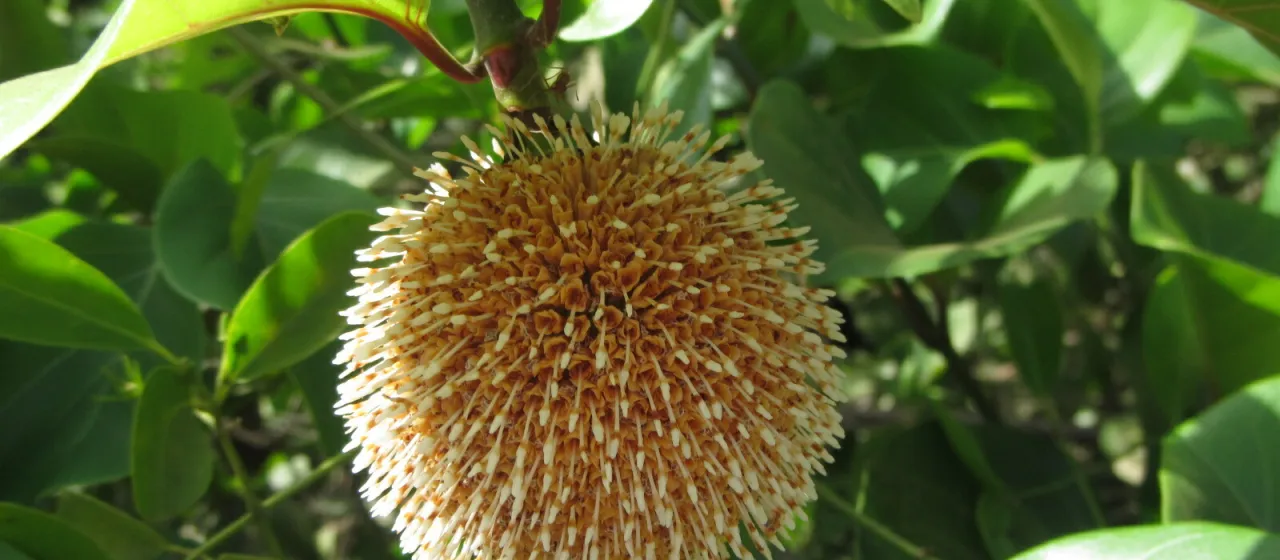
Botanically, Nauclea latifolia is characterized by its broad, glossy leaves and distinctive, dense, globe-shaped flower heads that bloom throughout the year. The root system is deep and robust, providing excellent anchorage and drought resistance. The propagation of this shrub is typically achieved through seeds or stem cuttings, requiring a germination period that benefits from consistent warmth and moderate moisture levels.
Regarding agrotechnical requirements, the crop performs best in well-drained, fertile soils with a pH ranging from slightly acidic to neutral. While it is considered a hardy plant, optimal fruit yield depends on adequate sunlight and regular irrigation during the initial stages of establishment. Regular pruning is recommended to maintain the canopy structure and promote higher production of fruits in managed agricultural plots.
The economic and practical utility of this plant is extensive, spanning several sectors:
- Food source: Fruits are consumed raw or processed into jams and juices.
- Pharmaceutical industry: Roots and bark are harvested for bioactive compounds with antimalarial properties.
- Soil management: Used in agroforestry to prevent erosion and improve land fertility.
- Traditional crafts: The wood is utilized for small-scale carving and fuel production.
Typical plant health challenges involve monitoring for common tropical pests, such as defoliating insects or aphids, which may appear during the flush of new growth. Integrated pest management strategies, such as physical barriers or biological control, are usually sufficient to manage these risks. Maintaining clear surroundings around the base of the tree helps minimize the risk of fungal infections in humid climates.