
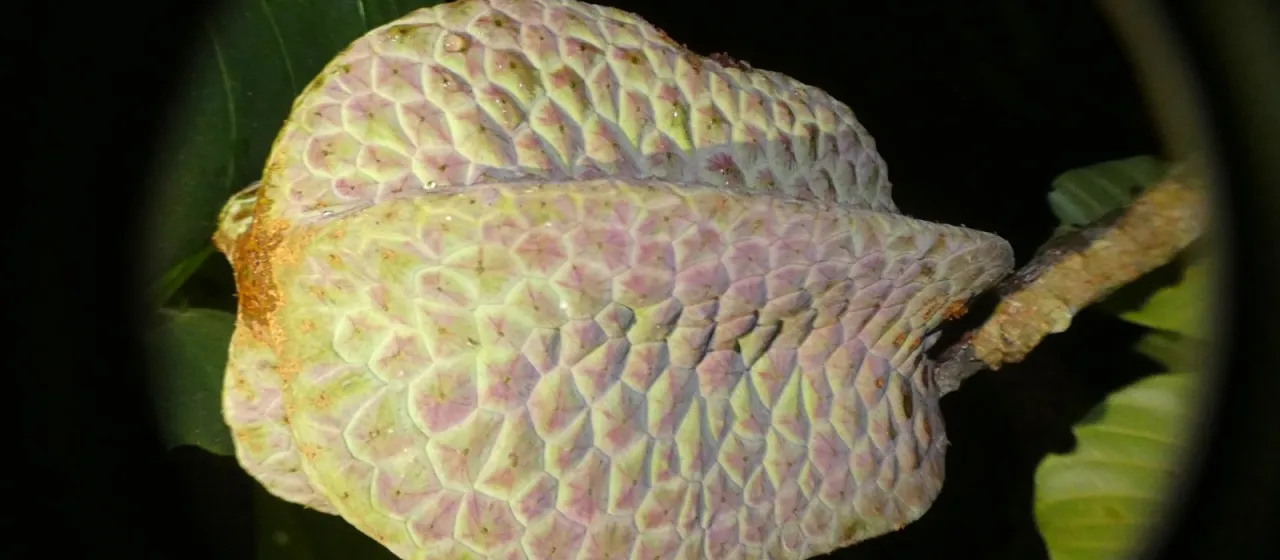
Description
Neesia synandra is a significant tropical tree species belonging to the Malvaceae family, specifically within the Bombacoideae subfamily. It is recognized for its stature and ecological role within the humid rainforests of Southeast Asia, contributing to the structural complexity of the tropical canopy.
The native range of this species is primarily concentrated in the lowland dipterocarp forests of Borneo, Sumatra, and the Malay Peninsula. These regions provide the stable, high-humidity, and warm environment necessary for the tree to thrive, as it is highly sensitive to significant fluctuations in seasonal temperatures or prolonged drought.
Botanically, the tree is characterized by its large, sturdy trunk and complex floral structure, which is specifically adapted to attract nocturnal pollinators like nectar-feeding bats. The leaves are generally simple and petiolate, providing a dense canopy that shades the forest floor, influencing the microclimate below.
Regarding agricultural or silvicultural requirements, the species favors deep, well-draining soils rich in organic matter. While it thrives in high rainfall areas, it requires soil with good aeration to prevent root rot. Propagation is typically achieved through seeds, which require specific conditions to germinate successfully in a controlled nursery environment.
The economic utility of the tree is largely associated with timber production and local traditional applications. The wood is often utilized for general construction purposes. Common threats include various wood-decaying fungi and borers that target the sapwood.
- Requires high humidity.
- Prefers deep, nutrient-rich soils.
- Sensitive to soil compaction.
- Utilizes nocturnal pollinators.
- Susceptible to wood-boring insects.