
Description
Mountain holly (Nemopanthus mucronatus) is a deciduous shrub species belonging to the family Aquifoliaceae. Historically associated with the genus Ilex, it is now recognized as a distinct monotypic genus. It is highly valued in horticulture for its ornamental foliage and vibrant, berry-like drupes that persist through the season.
The species is native to North America, specifically thriving across the eastern regions of Canada and the United States. It naturally occurs in wetlands, moist thickets, and acid-soil forests. Its natural distribution is a testament to its adaptation to cool, humid temperate zones where it serves as a critical component of local ecosystems.
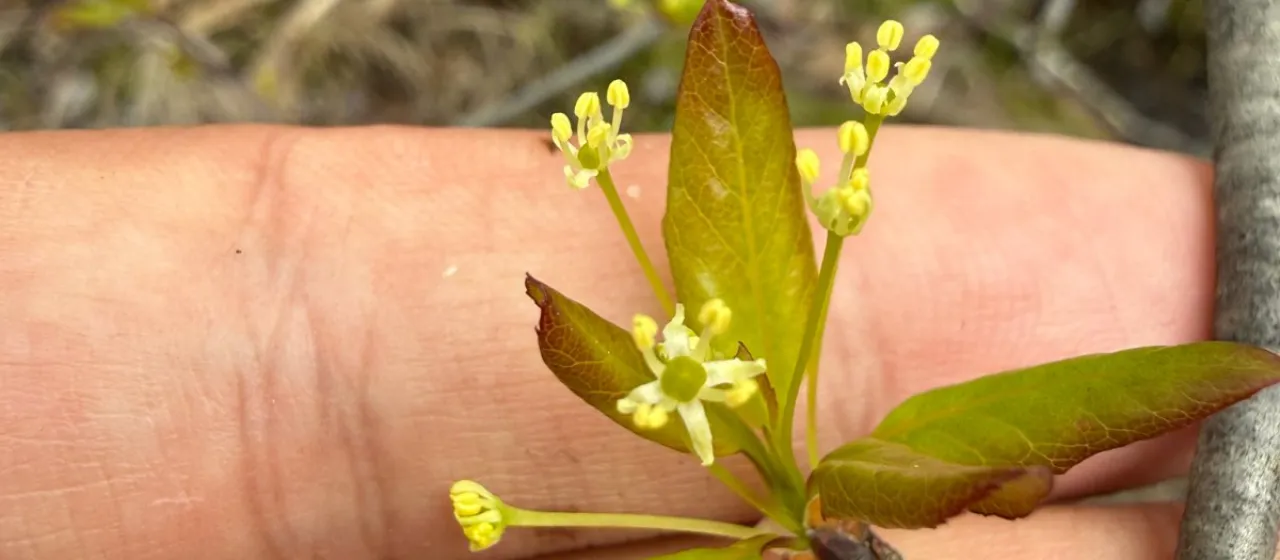
Botanically, the plant grows as a multi-stemmed shrub reaching heights of up to 3 meters. The leaves are simple and alternate, while the small flowers, appearing in spring, are typically dioecious. The fruit is a distinctive red drupe, which is a significant source of nutrition for local wildlife during the autumn and early winter months.
Agricultural requirements for successful cultivation include acidic, well-draining yet moisture-retentive soil. Unlike many ornamental shrubs, mountain holly prefers partial shade conditions, as intense direct sunlight can scorch its leaves. Regular mulching is essential to maintain root zone temperature and conserve moisture during drier months.
In terms of usage, it is primarily employed in landscape design for naturalistic gardens and ecological restoration projects. While generally resilient, the plant can be susceptible to typical nursery pests such as aphids or scale insects. Disease management focuses on maintaining proper air circulation to prevent fungal leaf spots and ensuring the correct soil pH to prevent chlorosis.