
Description
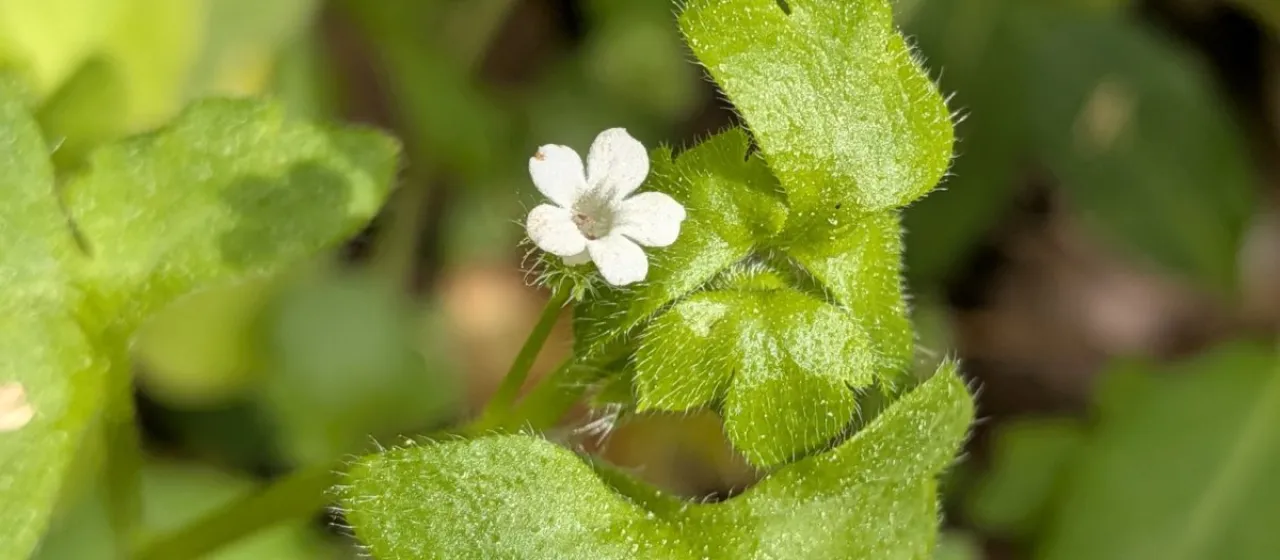
Nemophila aphylla, commonly referred to as the small-flowered nemophila, is an herbaceous annual plant belonging to the Boraginaceae family. Despite its botanical name suggesting a lack of foliage, the plant features delicate, pinnately lobed leaves that form a dense, low-growing mat, making it an excellent choice for ground coverage in shaded areas.
The species is native to North America, primarily inhabiting woodland floors, moist meadows, and shaded habitats. In cultivation, it is valued for its ability to thrive in environments where many other flowering plants struggle to receive adequate light, provided the soil moisture levels remain consistent throughout the growing season.
Botanically, this plant reaches a modest height of approximately 15 to 20 centimeters. Its foliage is soft and vibrant, supporting small, bell-shaped flowers that typically display pale blue or white hues. Its root system is shallow, which makes it particularly sensitive to drought, necessitating careful monitoring of soil moisture during dry spells.
Regarding agrotechnical requirements, Nemophila aphylla prefers well-drained, nutrient-rich soils with a slightly acidic to neutral pH. It is an ideal plant for cool-climate gardening; however, in warmer regions, it requires partial shade to protect the vegetative mass from desiccation and heat stress, ensuring optimal development and flowering.
Maintenance of the crop involves standard practices, such as gentle weeding and consistent irrigation. The plant is generally robust, but gardeners should be aware of the following issues:
- Susceptibility to root rot if soil drainage is inadequate.
- Pest damage from slugs and snails, which are attracted to the soft foliage.
- Occasional powdery mildew during periods of high humidity and poor air circulation.
Overall, this culture serves as an effective ornamental ground cover in temperate zones, adding texture and aesthetic appeal to garden beds and rockeries without requiring intensive labor inputs compared to more demanding annual species.