
Description
Neocarya macrophylla, commonly known as the gingerbread plum, is a species of flowering plant in the Chrysobalanaceae family. It is a vital multipurpose tree that plays a significant role in the food security and economy of rural communities throughout the West African savanna belt, where it is often managed as a semi-wild crop.
Originating from the tropical regions of Africa, this species is well-adapted to environments with distinct wet and dry seasons. It is commonly found in countries like Senegal, Guinea, and Nigeria. Its ability to thrive in challenging soil conditions and tolerate drought makes it an excellent candidate for agroforestry systems in degraded or arid lands.
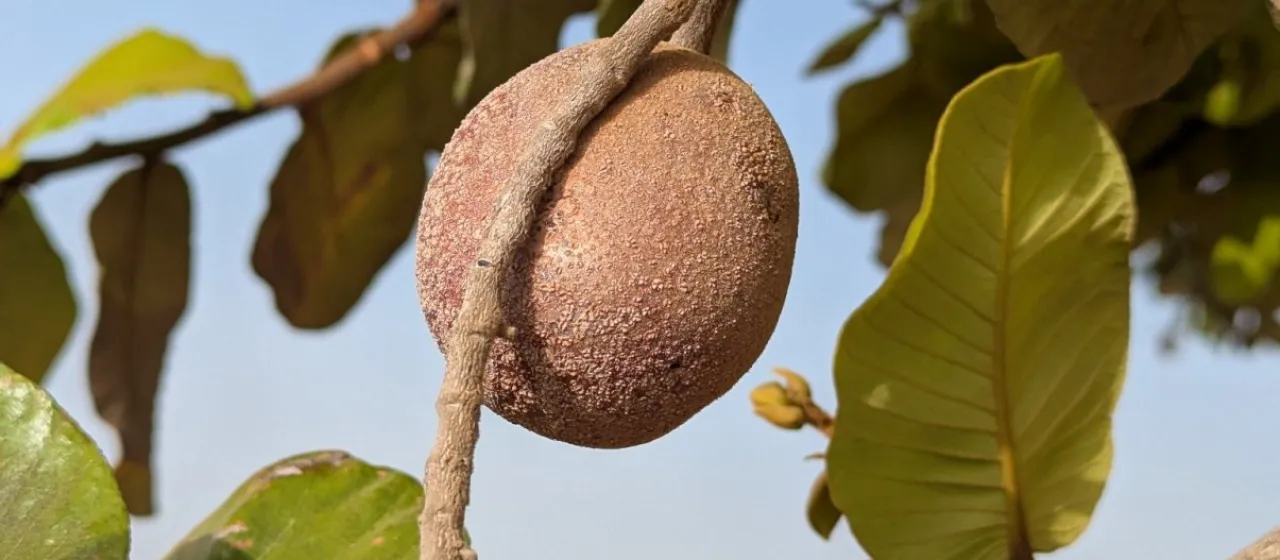
Botanically, Neocarya macrophylla is a medium-sized tree with a dense canopy and large, leathery leaves that provide shade. The tree produces ovoid, drupaceous fruits containing a single, oil-rich seed. These seeds, often referred to as 'mara nuts', are highly prized for their nutritional content, containing essential fatty acids and proteins.
Cultivation requires minimal intervention if the site is chosen correctly. It prefers well-drained, sandy-loam soils and full sun exposure. While the tree is resilient, growth rates can be significantly improved by implementing basic cultural practices such as mulching to preserve soil moisture during the establishment phase and protection from browsing livestock.
The economic value of Neocarya macrophylla is multi-faceted. The fruit pulp is consumed fresh or processed, while the kernel is roasted and eaten or crushed for oil extraction. Beyond food, the tree provides wood for local construction and charcoal production, and various parts of the tree are utilized in traditional medicine to treat inflammatory conditions.
Common agricultural challenges and pests include:
- Fungal pathogens causing leaf spots during transition periods.
- Boring insects that target the fruit, reducing overall yield.
- Soil-borne pathogens that may affect saplings if the drainage is insufficient.