Neolamarckia cadamba
Neolamarckia cadamba (Roxb.) Bosser
Description
Neolamarckia cadamba, commonly known as the Kadam tree, is a large, fast-growing tropical tree species belonging to the Rubiaceae family. Due to its rapid growth rate and high biomass production, it has become a significant asset in tropical silviculture and commercial plantation forestry.
The tree is native to South and Southeast Asia, where it thrives in moist, humid tropical environments. It is widely cultivated across various tropical regions, including parts of India and Indonesia, where it plays a critical role in local economies by providing a fast-turnaround source of woody material.
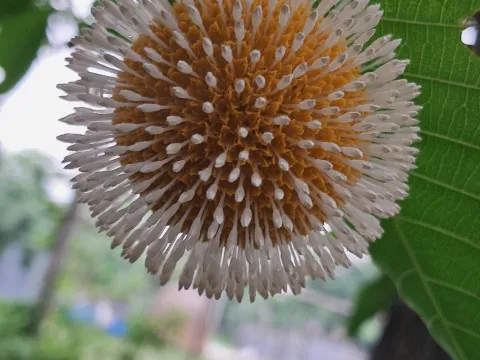
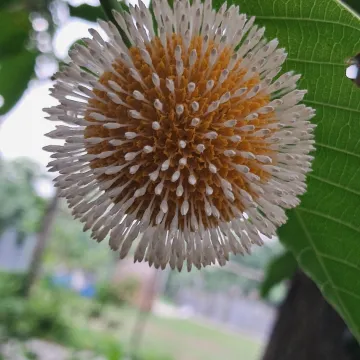
Botanically, it is characterized by its tall, straight trunk and a spreading, umbrella-like canopy. The tree produces distinct, globe-shaped, fragrant yellow-orange flower heads. Its leaves are broad and leathery, which allows for efficient photosynthesis and rapid structural development during the tree's juvenile stage.
Agricultural requirements for successful cultivation include deep, fertile, and well-drained soils. While it favors high rainfall, it is sensitive to waterlogging. It is a light-demanding species, meaning that adequate spacing is required during plantation establishment to ensure optimal growth and prevent competition for sunlight.
- Production of pulp and high-quality paper.
- Timber for light construction and plywood manufacturing.
- Use in agroforestry systems for shade and soil protection.
- Ecological restoration of deforested tropical sites.
- Medicinal applications based on traditional knowledge.
Common pests include defoliating insects that can hamper growth in young plantations. Pathogens such as root rot fungi may emerge if the soil lacks sufficient drainage. Effective crop management requires consistent monitoring and adherence to sustainable silvicultural practices to maintain stand health.
Photo gallery