
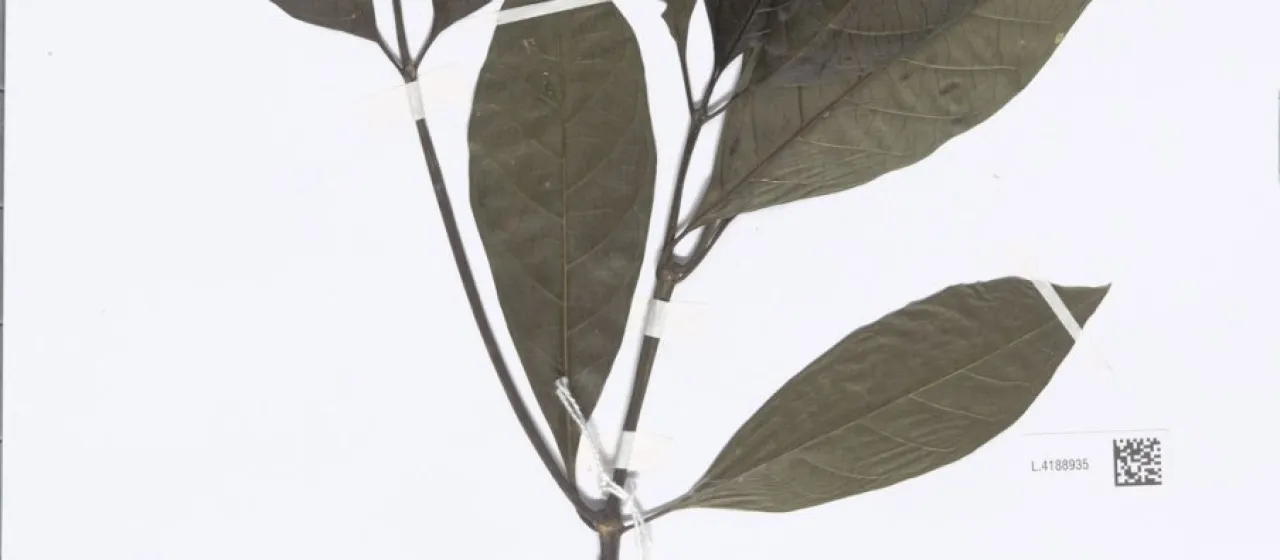
Description
Neonauclea glabra is a significant tropical woody species belonging to the Rubiaceae family. Known for its structural integrity and botanical characteristics, this plant is cultivated primarily in equatorial regions for its high-quality timber and role in reforestation efforts within its native range.
Originating from the humid forests of Southeast Asia, Neonauclea glabra thrives in environments characterized by high annual precipitation and consistent tropical temperatures. Its natural distribution is primarily centered in regions with deep, leached tropical soils where it can access constant moisture for sustained growth.
The botanical architecture of the plant is distinguished by its leathery, opposite leaves and dense, globular inflorescences. The bark is typically smooth, and the wood structure is dense, which contributes to the tree's natural resilience against environmental stressors and biological degradation by soil-borne pathogens.
Regarding agrotechnical requirements, the species demands deep, well-drained soils and a climate free from frost. Young plantations require precise spacing to optimize photosynthesis; over-density often leads to retarded growth. Soil fertility management focuses on maintaining organic content and ensuring adequate drainage to prevent root rot during peak rainfall seasons.
The primary economic application of Neonauclea glabra is in the construction and furniture industries due to the durability of its wood. In terms of plant health, growers must monitor for fungal leaf spots and wood-boring insects, which are the most common pests in tropical tree monocultures. Integrated pest management (IPM) is recommended to maintain stand health without excessive chemical intervention.
- Ideal temperature range: 25°C to 32°C.
- Soil requirements: Deep, acidic, nutrient-rich substrates.
- Harvest age: Typically 15–20 years for commercial use.
- Protection: Seedlings require shade during the first growth stage.