
Description
Neonotonia wightii is a perennial herb belonging to the Fabaceae family. Known in previous classifications as Glycine wightii, it is a highly productive legume that serves as a staple forage crop in many tropical and subtropical regions. The plant is characterized by its creeping or climbing habit, which allows it to form dense, nutrient-rich mats that provide excellent biomass production for livestock feeding.
Originating from Africa, this species has been successfully introduced to various parts of the world, including Australia, South America, and parts of Asia. It thrives in environments where rainfall is reliable and temperatures remain warm throughout the year. Its ability to adapt to diverse ecological niches has made it a preferred choice for improving pastures in regions with long growing seasons.
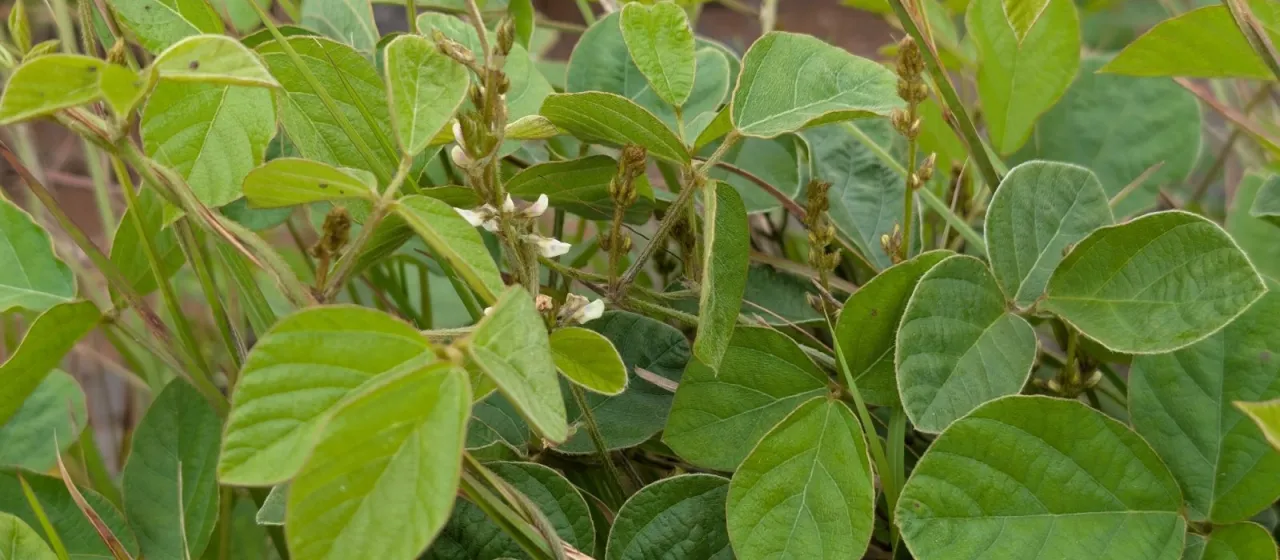
From a botanical perspective, the plant is a vigorous twining vine. It features trifoliate leaves that are often densely pubescent, which acts as a mechanism to minimize transpiration. The root system is deep and well-developed, facilitating nutrient uptake and conferring a degree of drought tolerance that many other forage species lack. It produces small, white to pale purple flowers and pods containing numerous small seeds.
The agronomic requirements for growing Neonotonia wightii focus on soil fertility and drainage. It performs best in well-drained, fertile soils with a pH ranging from slightly acidic to neutral. Establishing the crop requires inoculation with appropriate rhizobial strains to ensure successful nitrogen fixation. Proper management of grazing pressure is essential, as overgrazing can lead to a decline in plant vigor, while undergrazing may result in a loss of forage quality.
The primary agricultural applications of the crop include:
- High-quality pasture for grazing livestock like cattle and sheep.
- Production of protein-rich hay or silage for winter supplementation.
- Use as a cover crop for soil erosion control on sloped terrains.
- Green manure to enhance soil fertility and structure.
The crop is susceptible to certain fungal diseases, particularly in humid conditions where airflow is restricted. Pest management often involves monitoring for leaf-eating insects and weevils that can impact foliage and seed yield. By implementing integrated pest management strategies and ensuring the soil remains well-drained, farmers can maintain sustainable and highly productive fields of Neonotonia wightii for many years.