
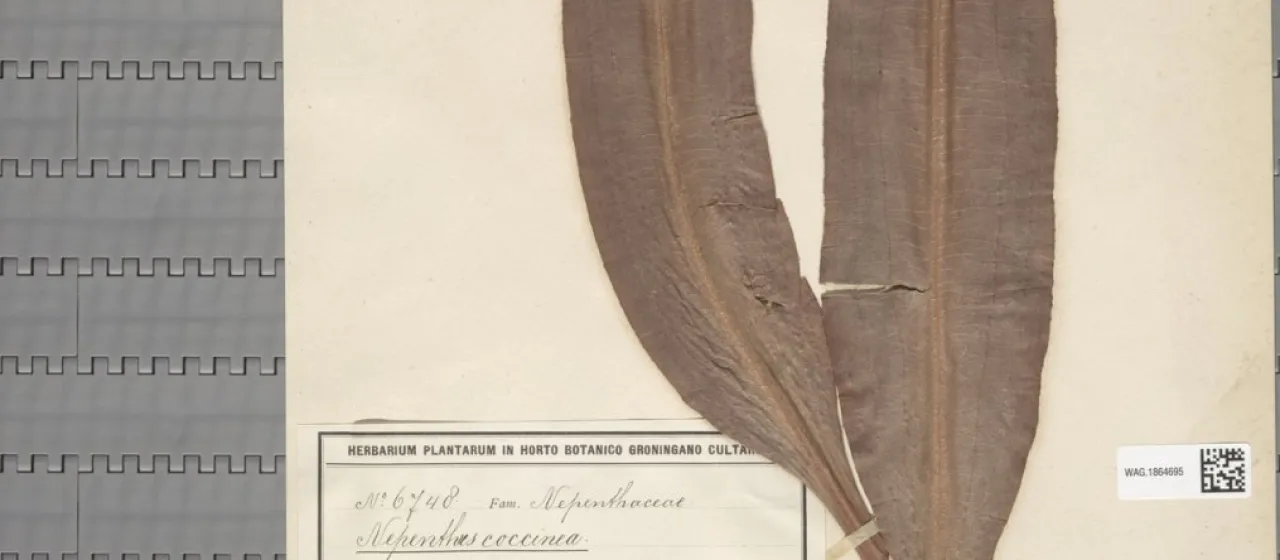
Description
Nepenthes coccinea is a hybrid species of carnivorous plant belonging to the Nepenthaceae family. In a professional horticultural context, this plant is managed as a high-value exotic crop that requires specific environmental conditions to thrive, primarily focusing on the development of its iconic, colorful pitcher-shaped traps used for nutrient acquisition.
The origin of this hybrid traces back to tropical lineages found in the humid regions of Southeast Asia. Unlike many traditional agricultural crops, Nepenthes coccinea is specialized for environments where soil nitrogen is scarce. Its evolutionary success depends on the unique biological strategy of capturing prey to supplement its nutritional needs, which growers must replicate in a greenhouse setting.
Botanically, this species is a tropical vine characterized by large leaves that extend into tendrils, culminating in complex, fluid-filled pitchers. The coloration is one of its primary features, making it highly desirable for commercial display and private collections. Its root system is delicate and adapted to highly acidic, well-draining substrates rather than standard nutrient-dense agricultural soils.
Agricultural requirements for this species are strict and mandate high humidity levels (typically 70% or higher) and stable tropical temperatures between 20°C and 28°C. The substrate should be a nutrient-poor, porous mix typically consisting of sphagnum moss and perlite. Irrigation is a critical factor, as the plant must only be watered with low-solids water (distilled or rain water) to prevent toxicity from mineral buildup.
- Maintain high humidity levels to ensure the growth of new pitchers.
- Provide bright, indirect sunlight to prevent leaf scorching while promoting pigmentation.
- Avoid standard chemical fertilizers; use specialized foliar sprays if absolutely necessary.
- Maintain consistent substrate moisture, avoiding both complete desiccation and waterlogging.
The primary use of Nepenthes coccinea is in ornamental horticulture and botanical research. Disease management is focused on preventing fungal infections such as botrytis and root rot, which are often caused by poor air circulation. Common pests, including spider mites and mealybugs, are controlled through careful sanitation and the use of insecticidal soaps specifically safe for sensitive carnivorous foliage.