
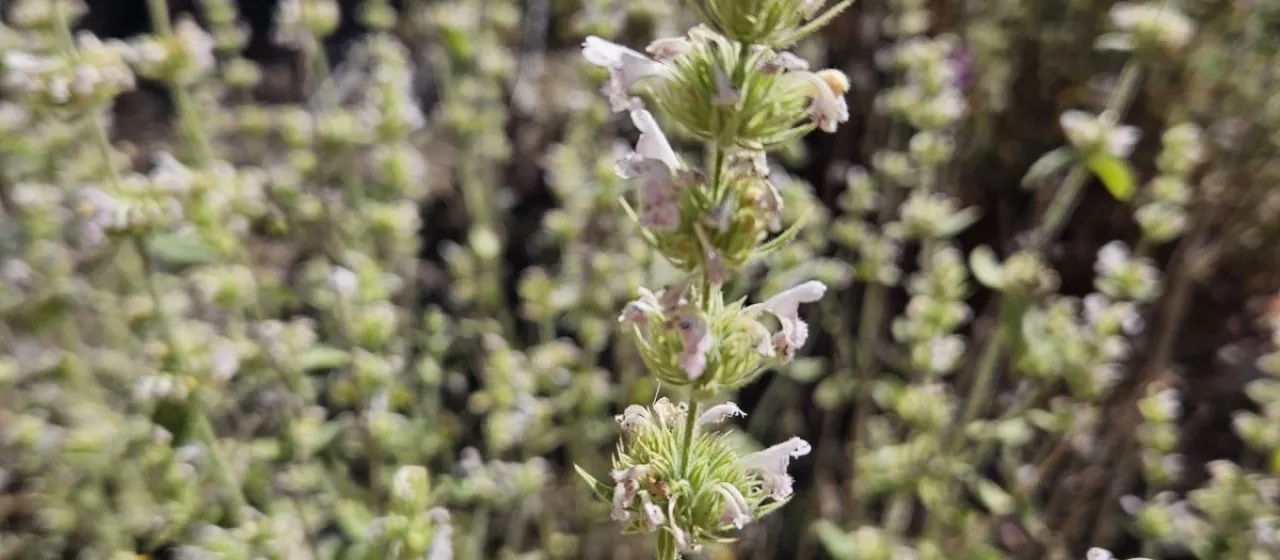
Description
Italian catmint (Nepeta italica) is a perennial herbaceous plant belonging to the Lamiaceae family. Often valued for its ornamental appeal and essential oil content, it serves as a robust crop that thrives in Mediterranean-type climates, contributing to local biodiversity and pollinator conservation.
Native to the Mediterranean region, this species is naturally adapted to sunny, rocky habitats. Its cultivation range has expanded to various temperate regions globally where well-drained, nutrient-poor, or average soils are available. The plant is prized for its environmental adaptability and low-maintenance requirements once established.
Botanically, the species is characterized by its grey-green foliage covered in fine hairs and its distinctive, pungent, lemony scent. It features erect branching stems that produce spikes of small, white to lavender-pink flowers. The root system is dense and fibrous, which helps the plant withstand dry spells during the peak of the growing season.
Successful cultivation requires full sun exposure and soil with excellent drainage to prevent root issues. In terms of agronomy, the crop benefits from minimal irrigation after the initial establishment phase. Regular pruning after flowering encourages a second flush of growth and maintains the plant's aesthetic shape and vigour for the next season.
- Economic utility: essential oil production, bee forage, landscaping, traditional herbal medicine.
- Pests and diseases: generally pest-resistant due to aromatic volatile oils; however, root rot and powdery mildew can occur if soil drainage or air circulation is inadequate.