
Description
Broad-leaved catmint (Nepeta latifolia) is a perennial herbaceous plant belonging to the Lamiaceae family. This species is gaining attention in agricultural circles as a specialized crop, valued for its essential oil composition and its ability to thrive in environments where other high-maintenance crops might struggle to establish.
Native to the mountainous regions of Southern Europe and the Mediterranean basin, the plant is naturally adapted to rocky, well-draining soils. Its geographic range and evolutionary background have equipped it with strong drought tolerance, making it a viable candidate for sustainable farming practices in regions with irregular precipitation patterns.
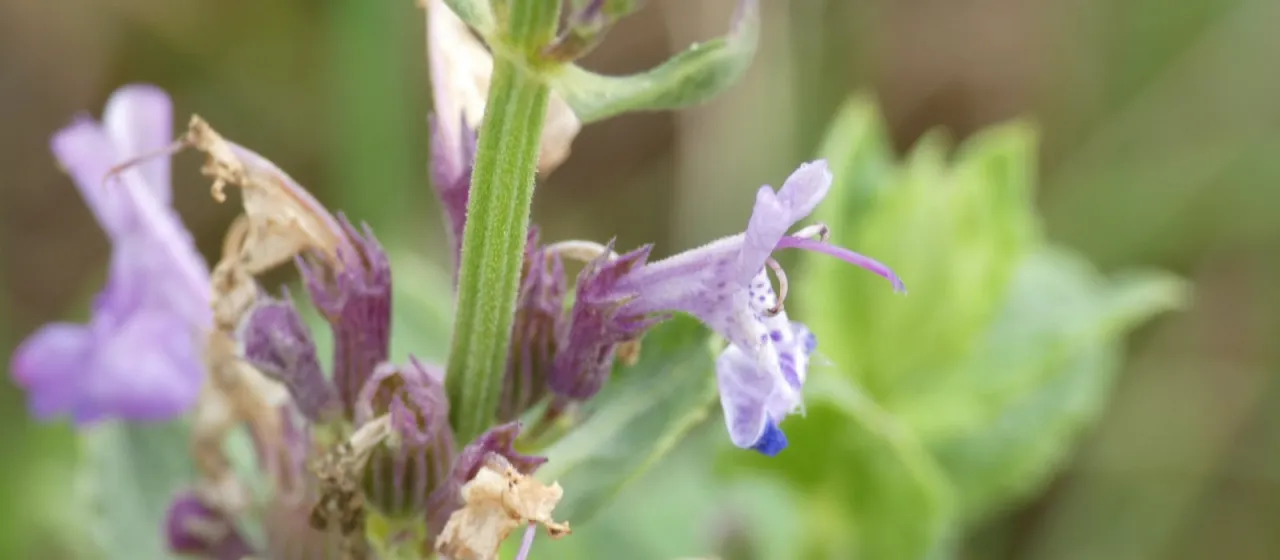
Botanically, Nepeta latifolia is characterized by its broad, ovate leaves and rigid, pubescent stems that form dense clumps. The flowers, typically appearing in mid-summer, are organized in verticillasters and exhibit colors ranging from pale blue to violet. These structures not only contribute to the plant's aesthetic value but are also the primary reservoirs for its bioactive compounds.
Cultivation requirements for this crop involve selecting sunny sites with alkaline or neutral soil pH. Agronomic practices should focus on maintaining soil structure to prevent waterlogging, which is the primary cause of root degradation. Weed management is critical during the initial establishment phase, while established stands are generally robust enough to compete with surrounding vegetation.
The economic utility of the species is multifaceted, supporting several distinct agricultural sectors:
- Extraction of essential oils for the pharmaceutical and fragrance industries.
- Production of high-quality nectar, positioning it as an excellent honey plant.
- Harvesting biomass for traditional herbal medicine applications.
- Use in environmental conservation as a hardy, low-input cover crop.
Regarding plant health, Nepeta latifolia is susceptible to fungal issues such as powdery mildew, especially in high-humidity climates with poor air circulation. Pests like spider mites and aphids can occasionally affect productivity. Effective management relies on proper plant spacing to facilitate airflow, combined with integrated pest management (IPM) strategies to ensure long-term crop viability.