
Description
Nepeta nuda, commonly known as hairless catmint, is a perennial herbaceous plant belonging to the Lamiaceae family. This species is widely recognized for its robust growth habit and versatility, making it a valuable candidate for both industrial cultivation and ecological restoration projects.
The plant originates from diverse regions across Europe, the Caucasus, and Central Asia. It thrives in open, sunny habitats such as meadows, rocky slopes, and forest edges. Due to its evolutionary adaptation to varying climates, it demonstrates high resilience to drought and moderate frost, making it a reliable agricultural crop in temperate zones.
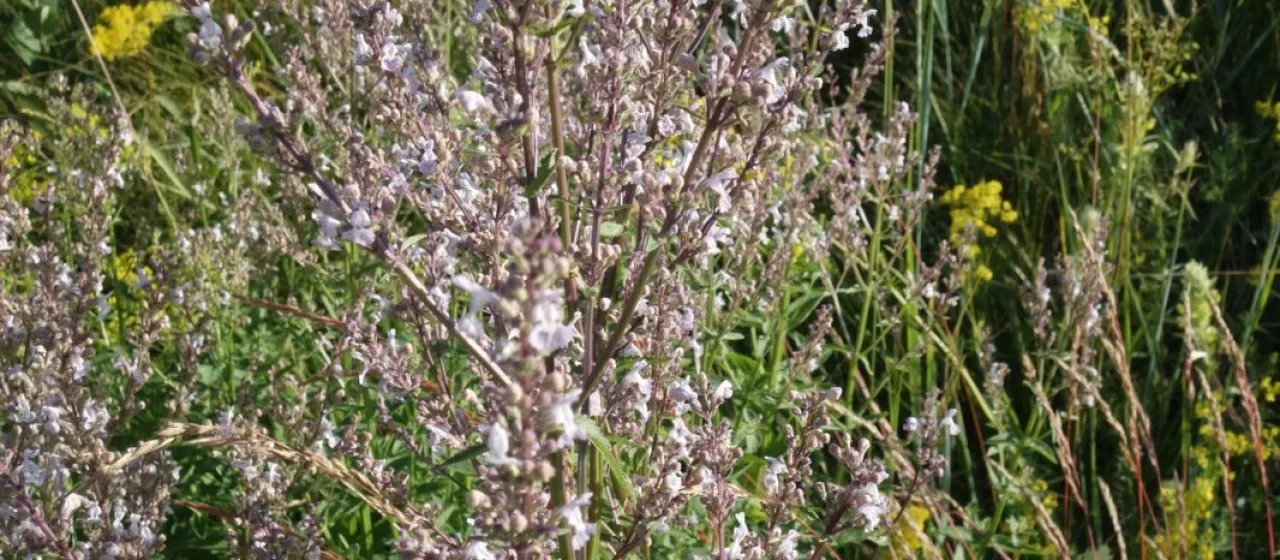
Botanically, Nepeta nuda develops strong, upright stems that reach heights of up to one meter. The leaves are serrated and possess a distinct aromatic profile due to the essential oils stored within specialized glands. The inflorescences are elongated, spike-like clusters of small, fragrant flowers, which contribute significantly to the plant's high ornamental and apicultural value.
Successful cultivation of Nepeta nuda requires well-drained, nutrient-rich soils with a neutral or slightly alkaline pH. The plant is drought-tolerant once established, but optimal biomass production is achieved with consistent moisture during the early growth stages. Farmers should ensure adequate spacing during planting to allow for sufficient air circulation, which is critical for plant health.
- Excellent honey-producing plant supporting local biodiversity.
- High potential for essential oil extraction for industrial use.
- Traditional medicinal properties including antiseptic effects.
- Low maintenance requirements in commercial field settings.
Common phytosanitary issues include powdery mildew and root rot, which typically arise from excessive soil humidity or poor field drainage. Pests such as aphids and spider mites can occasionally affect the foliage. Implementing a standard crop rotation and maintaining clean field borders are essential strategies for minimizing pest pressure and ensuring a healthy, high-quality yield.