
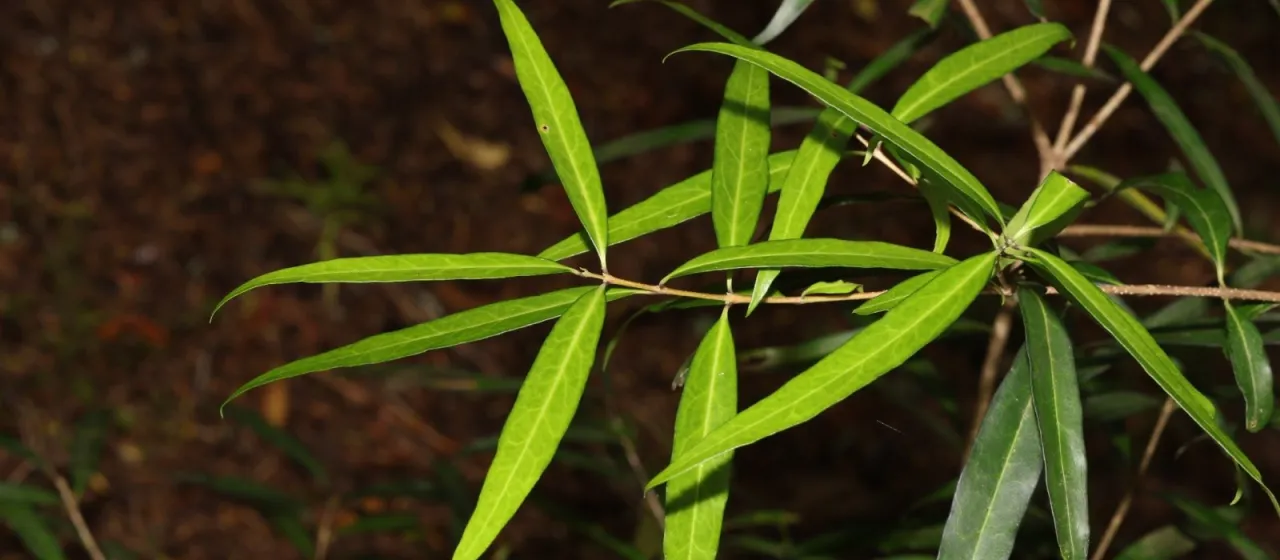
Description
Nestegis lanceolata, commonly known as white maire, is an evergreen tree or shrub belonging to the Oleaceae (olive) family. This species is native to New Zealand, where it plays a fundamental role in native forest ecosystems. It is highly regarded for its dense foliage and its evolutionary adaptation to the local environment.
The natural range of this species is primarily focused on the North Island of New Zealand. It thrives in diverse forest conditions, ranging from lowland areas to mountain forests. The plant is well-suited to the maritime climate of its native range, preferring regions with high atmospheric humidity and moderate temperatures that prevent extreme cold stress during winter months.
Botanically, the tree is characterized by its smooth, lance-shaped, leathery leaves which provide a deep green, aesthetic canopy. It can reach considerable heights, often growing quite slowly but steadily. The plant produces small, fragrant flowers that attract native pollinators, eventually developing into small, drupe-like fruits that provide a vital food source for avian species.
Agricultural requirements for successful cultivation include well-draining, fertile soils with a slightly acidic to neutral pH balance. The tree thrives in locations that offer partial shade, particularly when young, though it becomes more tolerant of sun as it matures. Regular irrigation is necessary during the initial stages of establishment to ensure a healthy root system, especially in areas with periodic dry spells.
The primary horticultural use of Nestegis lanceolata is in landscape restoration and ornamental gardening. Its durability and elegant growth habit make it a preferred choice for large-scale landscaping projects and hedging. Historically, its wood was highly valued for its hardness and density, though modern use focuses on its ecological benefits, including its ability to support local biodiversity in managed landscapes.
- Excellent durability and long-term stability once established.
- High tolerance to pruning, making it suitable for ornamental hedging.
- Natural pest and disease resistance in its preferred climate.
- Important ecological role as a food source for native bird populations.