
Description
Neurada procumbens is a unique annual herb that represents the entire family Neuradaceae. In an agricultural context, this plant is recognized for its extraordinary ability to thrive in hyper-arid environments, serving as a critical subject for desert reclamation and sustainable land management projects.
The plant originates from the arid regions of North Africa, the Arabian Peninsula, and parts of Central Asia. Its natural habitat consists of sand dunes, wadis, and arid gravel plains where water scarcity is the primary limiting factor for most vegetation. Its ability to complete its life cycle during short periods of moisture makes it highly resilient.
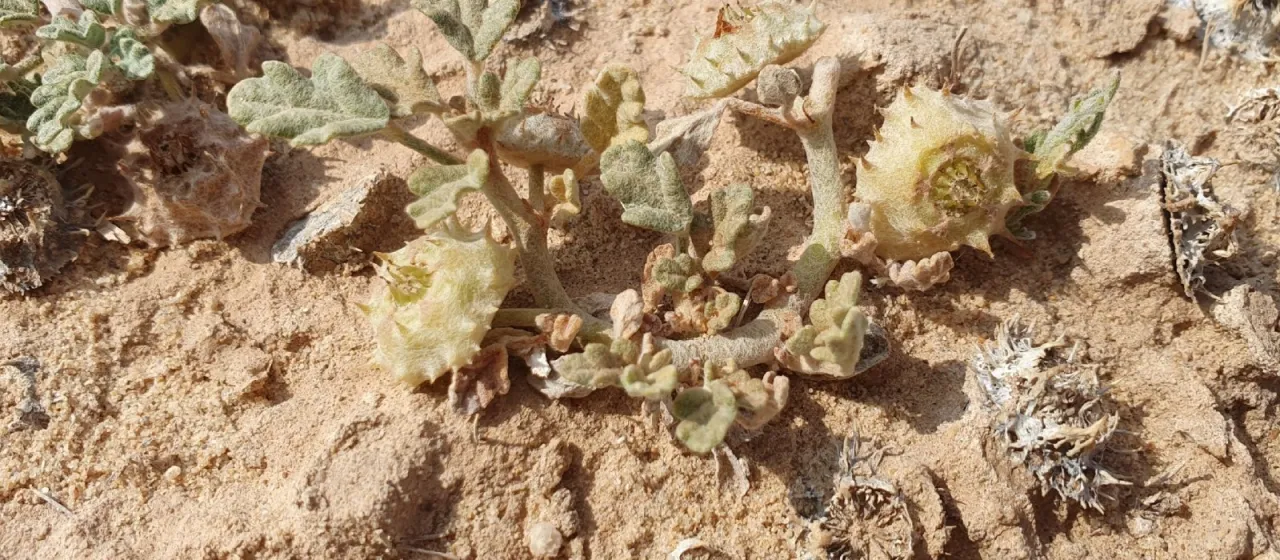
Botanically, Neurada procumbens is characterized by its prostrate, spreading growth habit. The stems are covered with small, pubescent, greyish-green leaves that reflect sunlight and conserve moisture. The most distinct feature of the plant is its fruit—a prickly, disc-shaped structure that remains on the ground, effectively attaching to passing livestock to ensure seed dispersal.
Cultivation requirements for Neurada are minimal compared to traditional crops. It thrives in loose, sandy, nutrient-poor soils with high alkalinity. In terms of agronomy, the focus is not on intensive yield production but on seed bed preparation that allows for maximum moisture retention in topsoil, which is crucial for germination in desert conditions.
The economic and ecological potential of Neurada procumbens includes several key areas:
- Erosion control: Stabilization of shifting sands to prevent desertification.
- Pasture enhancement: Providing forage for camels and small ruminants in barren desert zones.
- Botanical research: Studying its unique physiological pathways for drought tolerance.
The plant is remarkably free from typical agricultural pests and diseases due to its extreme habitat conditions. It has evolved to avoid competition and pathogen pressure through its rapid maturation cycle, which is completed before the peak of extreme desert summer temperatures or excessive moisture periods.