
Description
Neviusia alabamensis, commonly known as Alabama snow-wreath, is a deciduous shrub belonging to the Rosaceae family. It is a monotypic genus, meaning it is the only species in its group, making it a botanical treasure for plant enthusiasts. Its unique structural features and limited geographic distribution contribute to its status as a highly sought-after collector's plant.
The shrub is native to the southeastern United States, particularly within Alabama, Tennessee, Mississippi, and Georgia. It naturally thrives in the understory of forests, on rocky slopes, and along stream banks. These specific habitats indicate its preference for protected, moist, and nutrient-rich environments, which gardeners should replicate to ensure the plant's health.
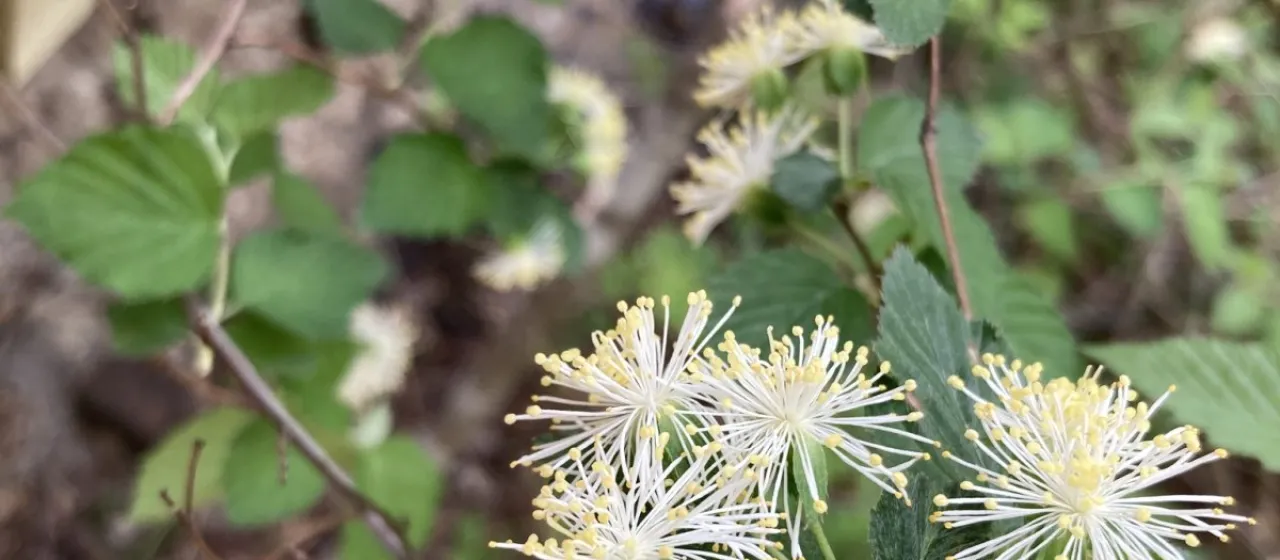
Botanically, the plant is characterized by its slender, arching branches and serrated green leaves. The most striking feature of Neviusia is its flowers, which lack true petals. Instead, the display is created by a multitude of long, bright white stamens that give the blooms a fluffy, ethereal appearance, resembling a wreath of snow during the spring flowering season.
Successful cultivation requires a location with partial shade to filtered sunlight, as intense heat can damage the foliage. The soil should be well-drained, rich in organic matter, and kept consistently moist. While the shrub is relatively adaptable, it dislikes drying out completely and benefits from an annual application of compost to sustain its growth requirements.
In terms of usage, the Alabama snow-wreath is an excellent choice for woodland-style gardens or shaded perennial borders. Maintenance involves minimal pruning, usually done right after the flowering period to maintain a desirable shape. Being a hardy plant, it is rarely susceptible to serious pests or diseases, though root rot can occur if soil drainage is inadequate.