
Description
Nicotiana acuminata is an annual herbaceous plant belonging to the Solanaceae family. As a distinct member of the Nicotiana genus, it shares structural similarities with commercial tobacco but possesses unique biological traits that make it a subject of interest in both botanical research and niche agricultural applications.
The species is native to South America, with its primary range extending across parts of Argentina and Chile. It has adapted to a variety of open habitats, thriving in temperate and subtropical climates. Its distribution is largely dictated by soil moisture levels and the availability of direct sunlight, which are crucial for its development from germination to seed maturation.
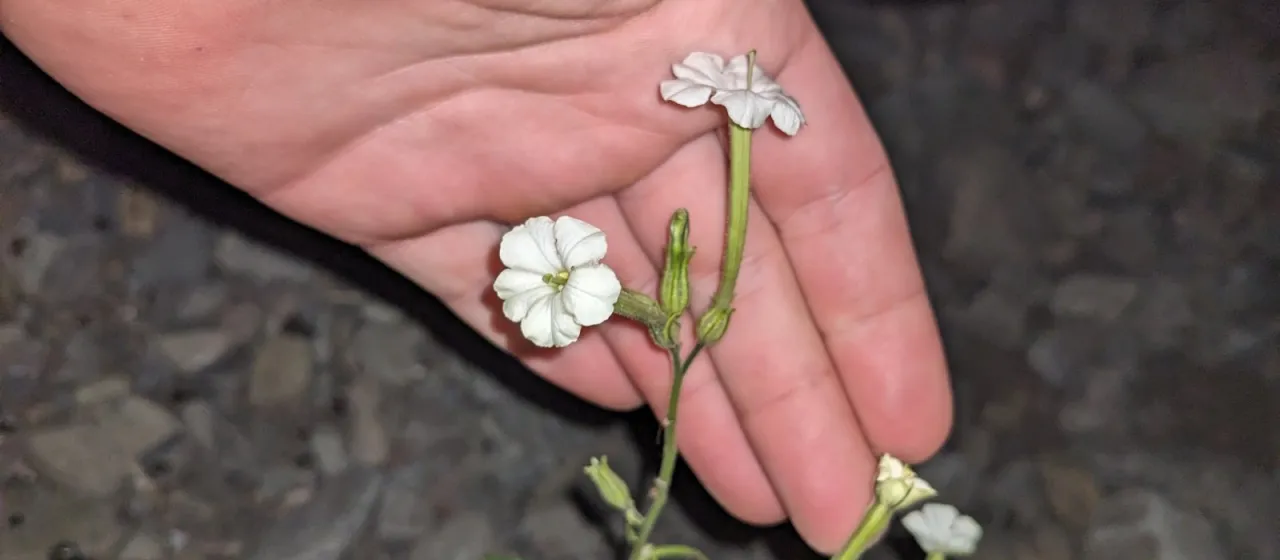
Botanically, the plant is characterized by a sturdy, erect stem that typically reaches a height of nearly one meter. The leaves are lanceolate and acuminate, providing the species with its scientific name. Its tubular flowers, often white or greenish, emit a notable fragrance, particularly during the evening hours, which facilitates pollination by nocturnal insects.
Cultivation requirements for Nicotiana acuminata include well-draining, fertile soils with a slightly acidic to neutral pH. Proper soil aeration is vital, as the root system is sensitive to waterlogging. Agronomic management involves consistent weed control, balanced nitrogen fertilization, and sufficient moisture during the active growth phase to ensure robust vegetative development.
- Sensitivity to late spring frost events
- Requirement for full sun exposure for optimal growth
- Necessity for balanced mineral nutrition for foliage quality
In terms of agricultural use, Nicotiana acuminata is primarily utilized in experimental horticulture and as a source of genetic material for breeding programs. Like many members of the Solanaceae family, it is susceptible to various pests, including aphids, whiteflies, and tobacco hornworms. Maintaining crop health requires strict adherence to integrated pest management (IPM) protocols, including rotation with non-solanaceous crops to prevent the build-up of soil-borne pathogens.