
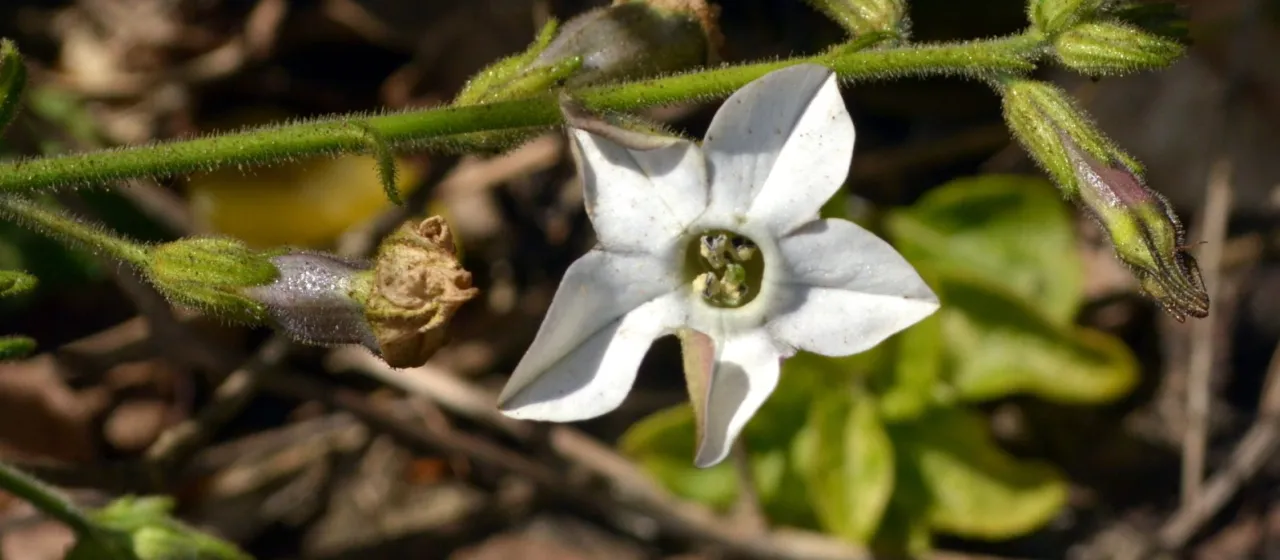
Description
Buenos Aires tobacco (Nicotiana bonariensis) is an herbaceous plant belonging to the genus Nicotiana within the Solanaceae family. While it shares many genetic characteristics with the more common commercial tobacco species, this particular plant is often appreciated for its unique morphological features and its suitability for horticultural display in warmer climates.
The species originates from South America, with its native range specifically associated with the regions surrounding Buenos Aires. As a tropical and subtropical plant, it thrives in environments characterized by long, warm growing seasons. In temperate zones, it is typically cultivated as an annual, as it lacks the necessary cold tolerance to survive frosts during the winter months.
From a botanical standpoint, the plant is distinguished by its upright habit, glandular pubescent stems, and elongated, lanceolate leaves. Its flowers are characteristically tubular, often displaying shades of white or greenish-white, and emit a subtle, pleasant fragrance during the evening. The plant requires significant sunlight to maintain healthy growth and proper floral development throughout the summer.
Agronomic requirements involve well-draining, nutrient-rich soil with an optimal pH range of 6.0 to 7.0. The species demands consistent moisture; however, waterlogging must be avoided to prevent root diseases. Propagation is usually achieved through seeds started in controlled indoor environments several weeks before the last frost, followed by hardening off before transplantation into open garden beds.
The primary use for this species is ornamental, adding vertical interest to flower borders and botanical collections. Growers must stay vigilant regarding common Solanaceae pests and diseases, which include the following:
- Aphids and whiteflies, which frequently cluster on the undersides of the leaves.
- Root rot caused by poor soil drainage and excessive moisture.
- Tobacco mosaic virus, a highly contagious pathogen affecting foliage health.