
Description
Nicotiana glutinosa, commonly known as sticky tobacco, is a distinct herbaceous species within the Solanaceae family. The plant is botanically recognized by its glandular trichomes—small, hair-like structures that secrete a sticky substance covering the leaves and stems. This physical adaptation serves as a defense mechanism but also serves as the plant's primary taxonomic descriptor.
Originating from South America, particularly the regions of Peru and Chile, this plant is well-adapted to environments with significant sunlight. While it is not typically cultivated for tobacco consumption like its industrial relative, Nicotiana tabacum, it is widely maintained in greenhouses and research facilities globally due to its unique genetic properties and specific chemical composition.
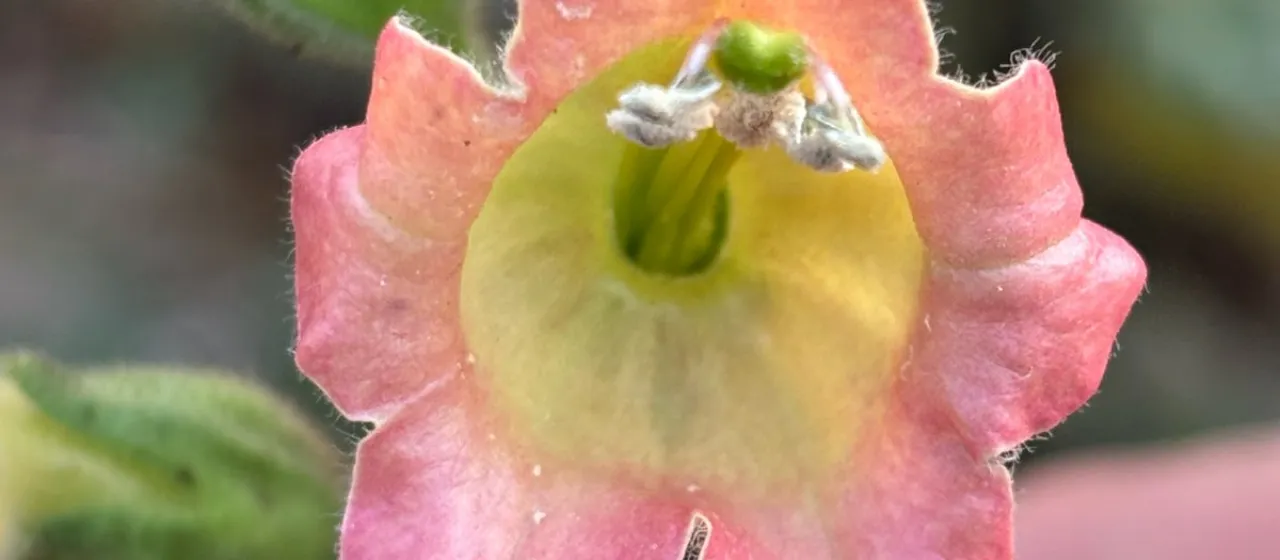
Morphologically, the plant presents as an annual or biennial herb characterized by large, ovate leaves and vibrant, tubular, reddish-pink flowers. It can reach heights of over one meter under favorable conditions. The sticky surface often traps dust and small insects, contributing to its appearance as a plant that is perpetually coated in a natural resinous secretion.
In terms of cultivation, Nicotiana glutinosa requires well-draining, nutrient-rich soil and a sunny location to thrive. It is sensitive to waterlogged conditions, which can lead to root rot. During the growing season, it benefits from moderate irrigation and a balanced supply of nitrogen-based fertilizers, although care should be taken to ensure the plant is not over-fertilized, which could diminish its natural resistance.
The primary agricultural and scientific use of this species is in the field of virology. Nicotiana glutinosa is a classic test plant used to identify and study plant viruses, particularly the Tobacco Mosaic Virus (TMV). Upon infection, the plant develops hypersensitive response necrotic lesions, which allows researchers to easily quantify viral load and study the mechanisms of plant resistance against pathogens.
- Excellent indicator species for viral diagnostics.
- Susceptible to common greenhouse pests like aphids.
- Requires a warm, temperate climate to reach maturity.
- Seed germination requires light and consistent moisture.