
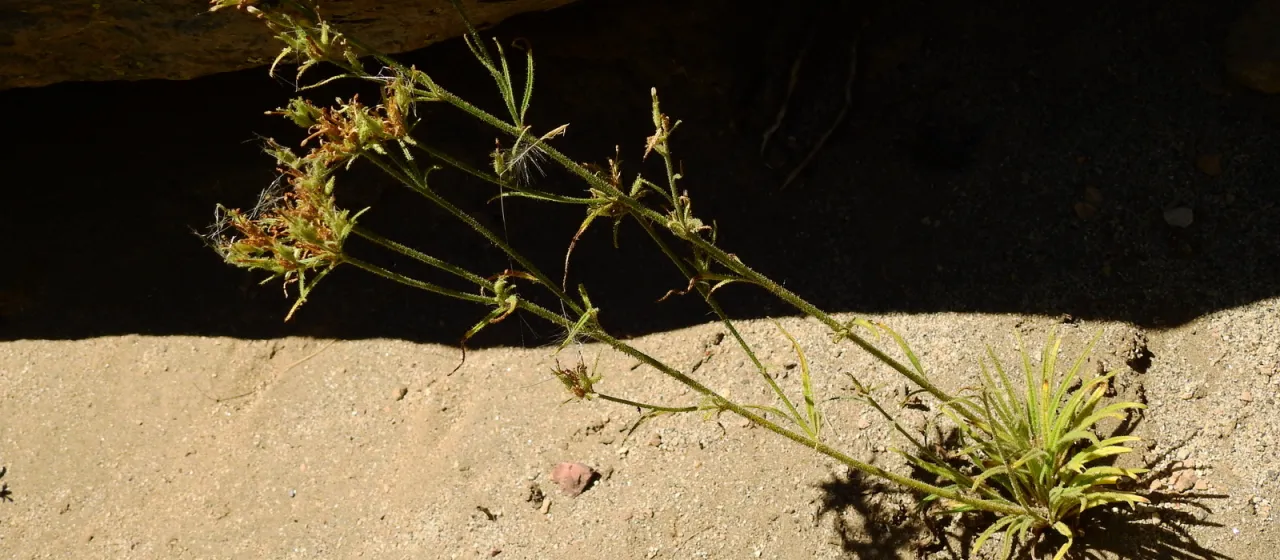
Description
Nicotiana linearis is a specialized species within the Solanaceae family, representing a unique botanical lineage of wild tobacco. Unlike common commercial tobacco, this species is noted for its distinctive physiological adaptations that allow it to thrive in specific ecological niches, primarily in South American regions where soil and climate conditions are distinct from standard agricultural environments.
The origin of Nicotiana linearis is traced back to arid or semi-arid zones of South America. Its natural habitat includes rocky or sandy slopes where it has evolved to minimize water loss and withstand intense solar radiation. Cultivation of this plant outside its native range requires careful environmental control to mimic these hardy conditions.
Botanically, the species is identified by its narrow, linear, or lanceolate leaves which provide a unique appearance compared to the broad-leafed varieties of commercial tobacco. The plant typically features a branching stem architecture and produces tubular, often aromatic flowers that bloom in late cycles. These structural features are key adaptations for surviving in resource-limited environments.
Agronomic requirements are focused on soil drainage and high light intensity. Nicotiana linearis performs best in well-draining, slightly nutrient-poor soil compositions, as over-fertilization often leads to lush but weak vegetative growth. A consistent light schedule and moderate irrigation are vital to prevent root zone stress, which is the most common cause of crop failure for this species.
The agricultural and economic utility of the species is focused on plant breeding. Researchers utilize the genetic library of Nicotiana linearis to incorporate drought resistance and pest tolerance traits into other Nicotiana cultivars. The species is susceptible to standard Solanaceae pathogens, requiring careful monitoring for pests like aphids and whiteflies, which can significantly reduce the potential for genetic harvesting and biomass production.