
Description
Nicotiana megalosiphon is a distinct species of flowering plant belonging to the Solanaceae family. Often referred to as a form of wild or ornamental tobacco, this species is distinguished by its remarkably long corolla tubes and nocturnal fragrance. While not a primary agricultural crop for human consumption like Nicotiana tabacum, it holds significant interest in botanical studies and specialty plant breeding.
The origin of Nicotiana megalosiphon is traced back to the arid and semi-arid regions of Australia. Evolution in such environments has equipped the plant with notable resilience against drought and environmental stress. This evolutionary background makes the species an important subject for understanding how tobacco relatives adapt to extreme heat and limited water availability, which is useful in modern plant breeding programs.
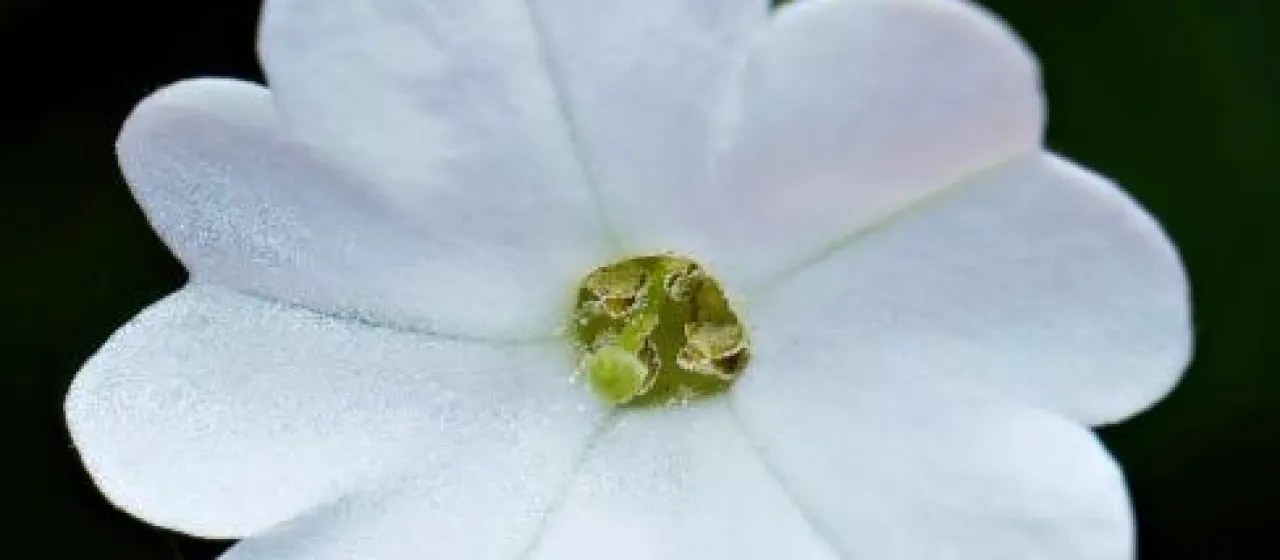
Botanically, the plant features an upright growth habit, typically reaching a height of up to one meter. The leaves are generally basal and lanceolate, while the inflorescence consists of tubular white flowers that emit a strong, sweet scent, particularly after dusk. The entire plant is covered with sticky glandular hairs, a hallmark of the genus that helps regulate moisture and provides a minor defense against herbivory.
Agrotechnical requirements focus on soil drainage and high light intensity. The plant thrives in well-aerated, sandy-loam soils with a slightly acidic to neutral pH. In cultivation, it is crucial to avoid over-irrigation, as the root system is sensitive to waterlogging. While it can withstand periods of dryness, supplementary water during the flowering stage ensures consistent growth and prevents premature senescence.
The primary use of this species today is found in ornamental horticulture and scientific research related to the genus Nicotiana. Growers must remain vigilant against typical pests and pathogens that affect the Solanaceae family, including:
- Tobacco mosaic virus and similar viral pathogens.
- Root-knot nematodes in poorly managed soil.
- Leaf-chewing insects such as various caterpillar species and flea beetles.