
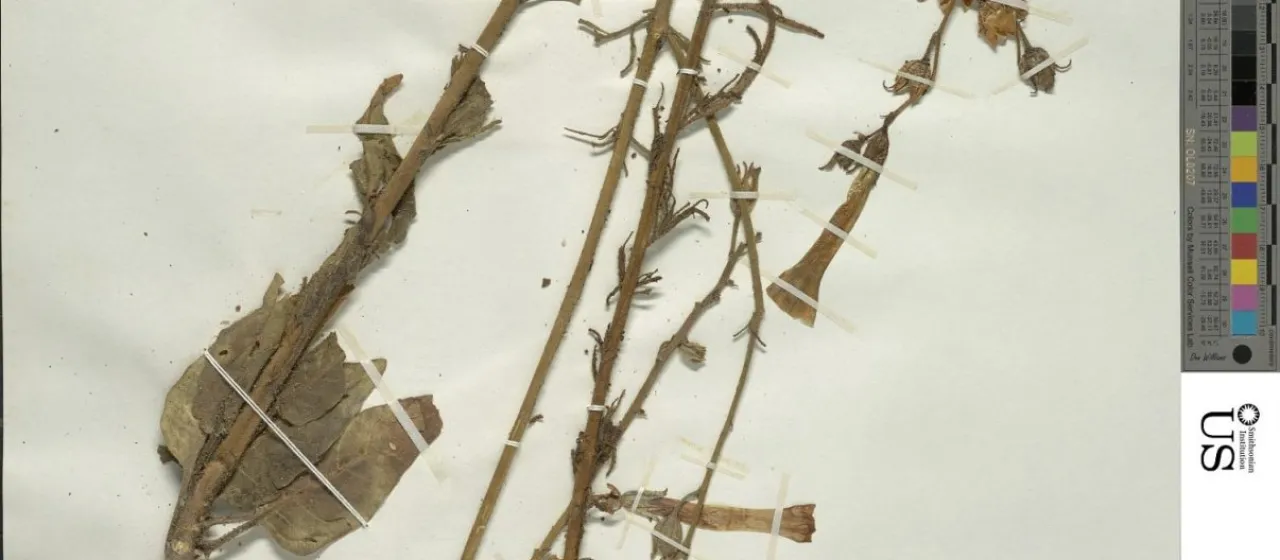
Description
Nicotiana pauciflora is a distinctive botanical species belonging to the Solanaceae family. As a member of the genus Nicotiana, it shares the general characteristics of the tobacco family but exhibits unique phenotypic traits that set it apart from commercial cultivars.
The plant originates from the arid and stony regions of South America, specifically adapted to the high-altitude environments of the Andes. This evolutionary history has allowed the species to thrive in nutrient-poor, rocky substrates where moisture is often scarce, highlighting its robust adaptive capabilities.
Botanically, it is characterized by its relatively sparse flowering habit, which is implied by its specific epithet pauciflora. The plant displays a compact growth pattern with specialized foliage designed to conserve water, making it a subject of interest for studying drought tolerance in plants within the Solanaceae clade.
Agricultural requirements for Nicotiana pauciflora differ significantly from standard tobacco crops. It requires full sun exposure and an exceptionally well-draining soil mix to prevent root rot, which is its primary physiological risk. Growers must exercise caution with fertilization, as this species is adapted to survive in soils with minimal nitrogen and phosphorus availability.
Current хозяйственное use is primarily centered around academic research and genetic conservation. It serves as a valuable model for breeders aiming to introduce traits such as pest resistance or drought endurance into cultivated tobacco varieties. Typical pests that may affect the plant under cultivation include mites and whiteflies, which are common to most members of the nightshade family.