
Description
Nicotiana tomentosiformis is a botanical species within the Solanaceae family, classified under the genus Nicotiana. This plant is internationally recognized by scientists as one of the two diploid ancestors of the allotetraploid species Nicotiana tabacum, making it a cornerstone for genomic research and plant breeding initiatives.
The native range of this species is confined to the mountainous regions of South America, specifically in Bolivia and neighboring areas in Argentina. It thrives in high-altitude environments, where it is adapted to dry, rocky, and semi-arid conditions, demonstrating significant hardiness compared to common commercial crops.
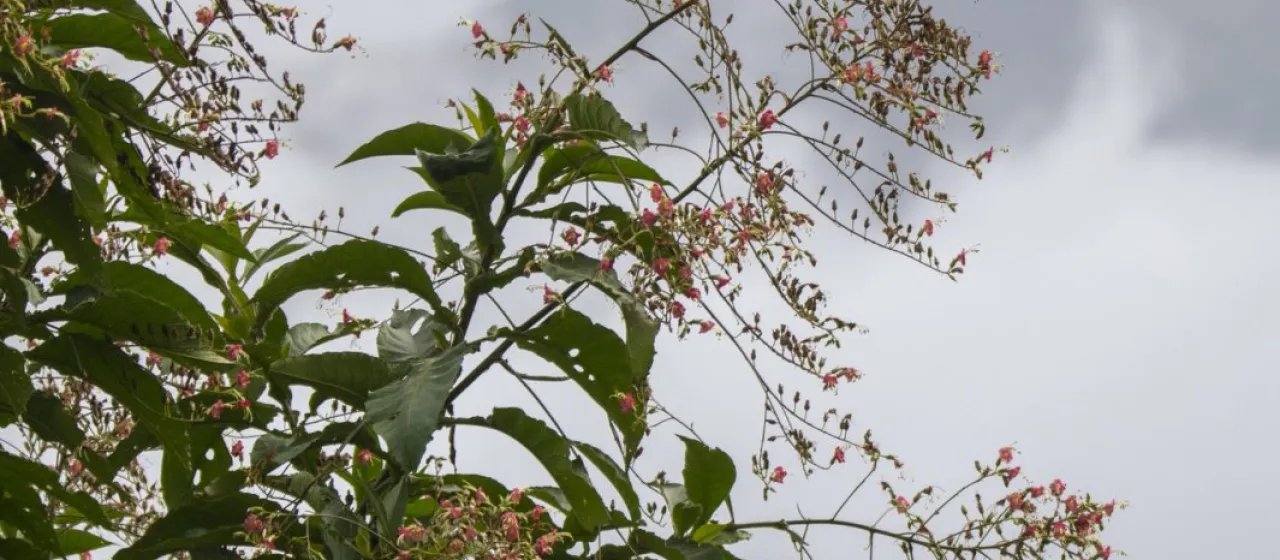
Morphologically, the plant is characterized by its distinct pubescent foliage, which provides protection against desiccation. It produces attractive, tubular flowers, typically ranging in color from pale pink to purple. The plant structure is robust, allowing it to withstand the challenging ecological pressures of its natural Andean habitat.
Regarding its cultivation, it requires well-drained, nutrient-rich soils and high levels of solar exposure to thrive. While not a commercial crop for consumption, it is strictly managed in germplasm banks and research fields to preserve its genetic pool. Breeders utilize it to introduce traits such as stress tolerance and disease resistance into hybrid lines.
The crop is susceptible to common solanaceous diseases, including Tobacco Mosaic Virus (TMV) and various fungal pathogens like Peronospora tabacina. Insect pests such as aphids, whiteflies, and tobacco hornworms pose the greatest threat to its development, necessitating precise monitoring and phytosanitary control during the vegetative stages.