
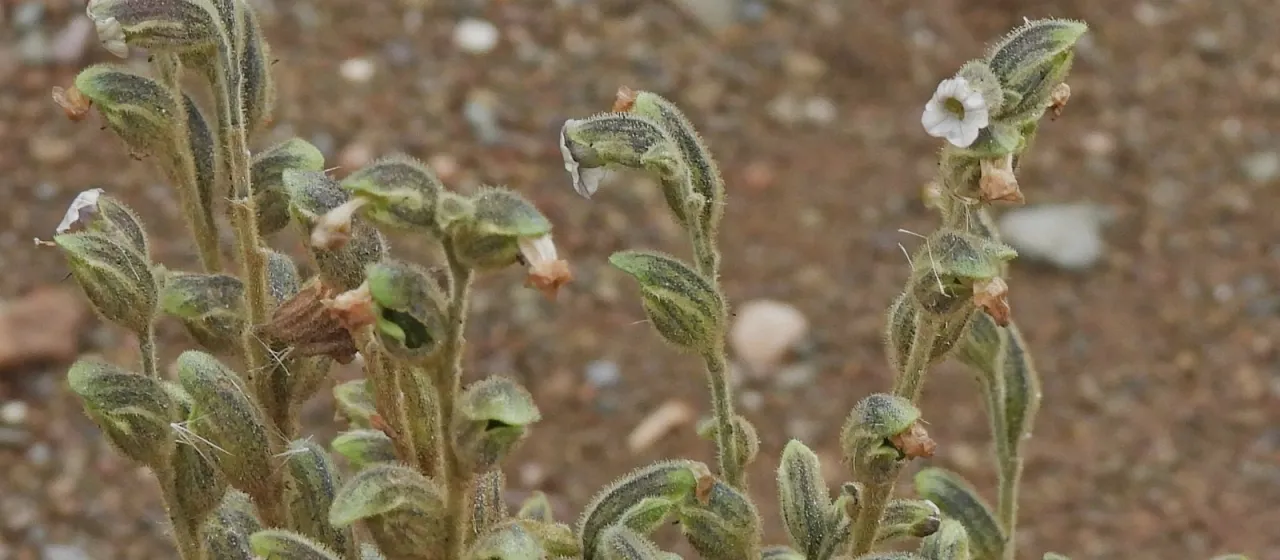
Description
Nicotiana undulata is a herbaceous plant species belonging to the Solanaceae family. It is a distinctive member of the tobacco genus, recognized primarily by its undulating leaf margins which give the plant its specific botanical name. While not a major commercial tobacco crop, it holds scientific and ornamental value among botanical enthusiasts and researchers focusing on the Solanaceae family.
The species originates from the mountainous regions of South America, specifically the Andean zones of Argentina and Bolivia. It has adapted to thrive in high-altitude environments, where it experiences cooler nights and well-drained soils. Today, it is primarily found in botanical gardens, specialized nurseries, and among collectors of rare tobacco species worldwide.
Botanically, the plant is characterized by a sturdy, upright stem that can reach heights of over one meter. The leaves are generally oblong and exhibit a unique wavy or "undulated" pattern along the edges. The flowers are typically trumpet-shaped, appearing in loose clusters with colors ranging from pale cream to greenish-yellow, and they emit a subtle, pleasant fragrance during the evening hours.
Cultivation of Nicotiana undulata requires specific conditions to ensure healthy growth. It prefers fertile, well-draining soil with a slightly acidic to neutral pH. Proper sunlight exposure is crucial, ideally requiring a spot with full sun to partial shade. Irrigation should be managed carefully, as the plant is susceptible to root rot if the soil remains constantly waterlogged for extended periods.
Like many members of the Solanaceae family, this plant is susceptible to various pests and diseases that can impede its development:
- Aphids, which congregate on the underside of leaves
- Spider mites, common in dry and hot conditions
- Tobacco mosaic virus, a significant risk for the entire genus
- Late blight, which can destroy foliage under high humidity