
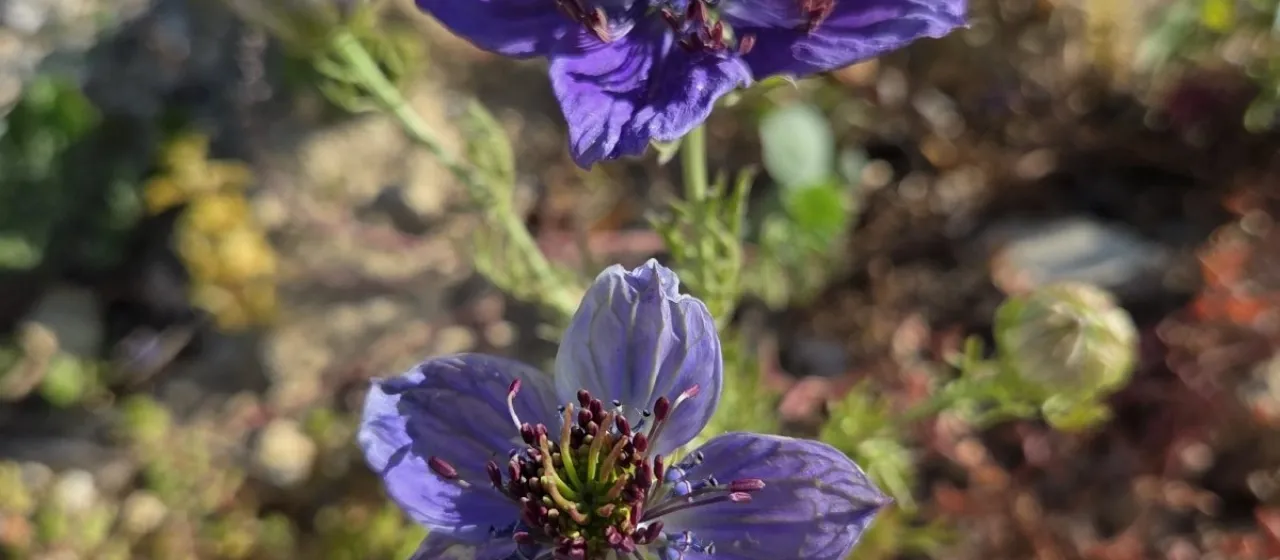
Description
Nigella papillosa, commonly known as the warty fennel flower, is an annual herbaceous plant belonging to the Ranunculaceae family. While less commercially prominent than its relative Nigella sativa, this species is highly valued for its unique morphological traits and the biochemical composition of its seeds, which serve as a focus for both industrial and ornamental applications.
The plant is native to the Mediterranean basin, North Africa, and parts of Western Asia. It thrives in regions with warm, temperate climates where it can benefit from prolonged sun exposure. Cultivation is carried out primarily for seed production or as an ornamental plant in diverse agricultural and botanical landscapes.
Botanically, the plant is characterized by its delicate, finely divided foliage and an erect, branched stem. The most distinguishing feature of Nigella papillosa is its fruiting follicles, which exhibit distinct, wart-like protuberances. This structural uniqueness sets it apart from other species in the genus and contributes to its recognition in botanical studies.
Regarding agrotechnical requirements, the crop prefers light, sandy-loam soils with good drainage and a neutral to slightly alkaline pH. It is a drought-tolerant species once established, but it requires consistent moisture during the initial stages of germination and early vegetative growth. Proper field management involves regular weeding and ensuring adequate soil aeration.
The practical applications of Nigella papillosa include:
- Extraction of essential oils for industrial and cosmetic use.
- Utilization of seeds as a culinary ingredient and spice.
- Use in floral design due to the aesthetic appeal of its dried seed pods.
The main phytosanitary risks include fungal pathogens such as root rot, which typically occur under conditions of waterlogging or high humidity. Common pests include aphids and spider mites, particularly in hot and dry microclimates. Implementing integrated pest management (IPM) strategies, including consistent field inspection and soil moisture control, is crucial for maintaining crop health.