
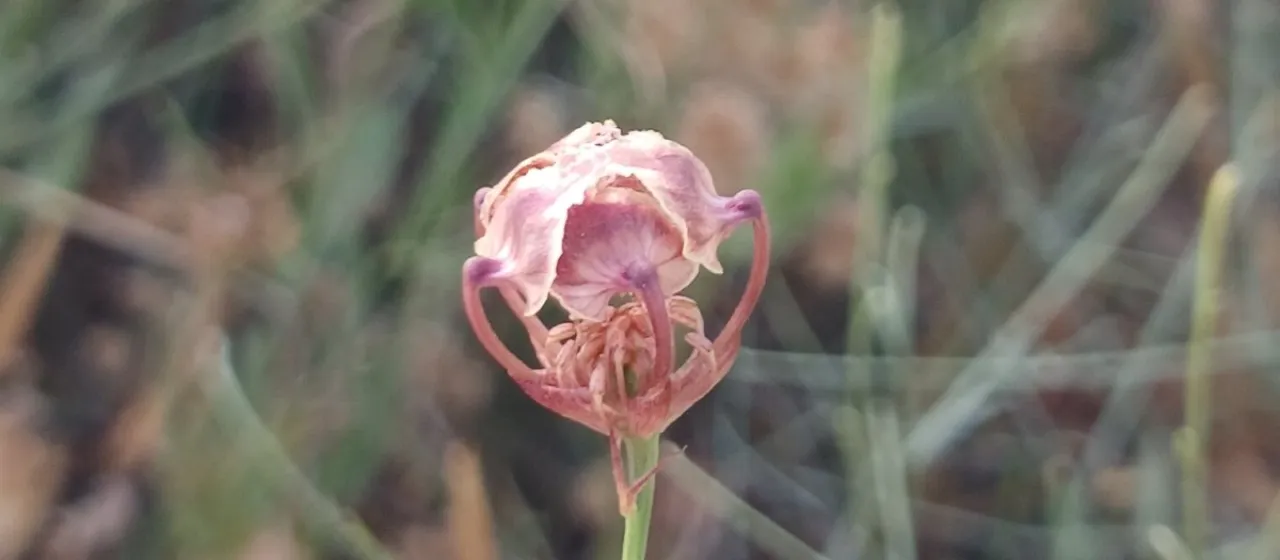
Description
Clawed nigella (Nigella unguicularis) is an annual herbaceous plant species belonging to the Ranunculaceae family. It is distinct for its specific floral structures and its capacity to thrive in arid environmental conditions, distinguishing it from the more common culinary nigella species in terms of potential industrial and decorative utility.
The plant originates from regions in the Near East and the Eastern Mediterranean. Due to its evolutionary adaptation to semi-arid climates, its cultivation requires environments with high solar radiation. It is primarily suited to regions where long, warm growing seasons allow for the full maturation of its specialized seed capsules.
Botanically, the plant features finely dissected, fern-like foliage and unique flowers characterized by unguiculate (claw-like) petals. The fruits are multicarpellate follicles that develop into dry pods containing a significant quantity of seeds rich in biological compounds. This anatomy requires careful handling during harvest to minimize seed shattering.
Agronomic requirements for this species involve well-drained, sandy or loamy soils with a neutral pH. The crop is highly susceptible to root pathogens if soil moisture remains excessive; therefore, proper field drainage is a critical prerequisite. Sowing should occur early in the season to leverage moisture from spring rains, followed by dry conditions during the maturation phase.
The economic value of this crop is linked to its essential oil content and potential pharmaceutical applications. Primary pests affecting production include aphids and various leaf-feeding insects, while fungal infections like root rot typically arise from improper irrigation management. Implementing integrated pest management strategies is essential for maintaining crop health and seed quality.